
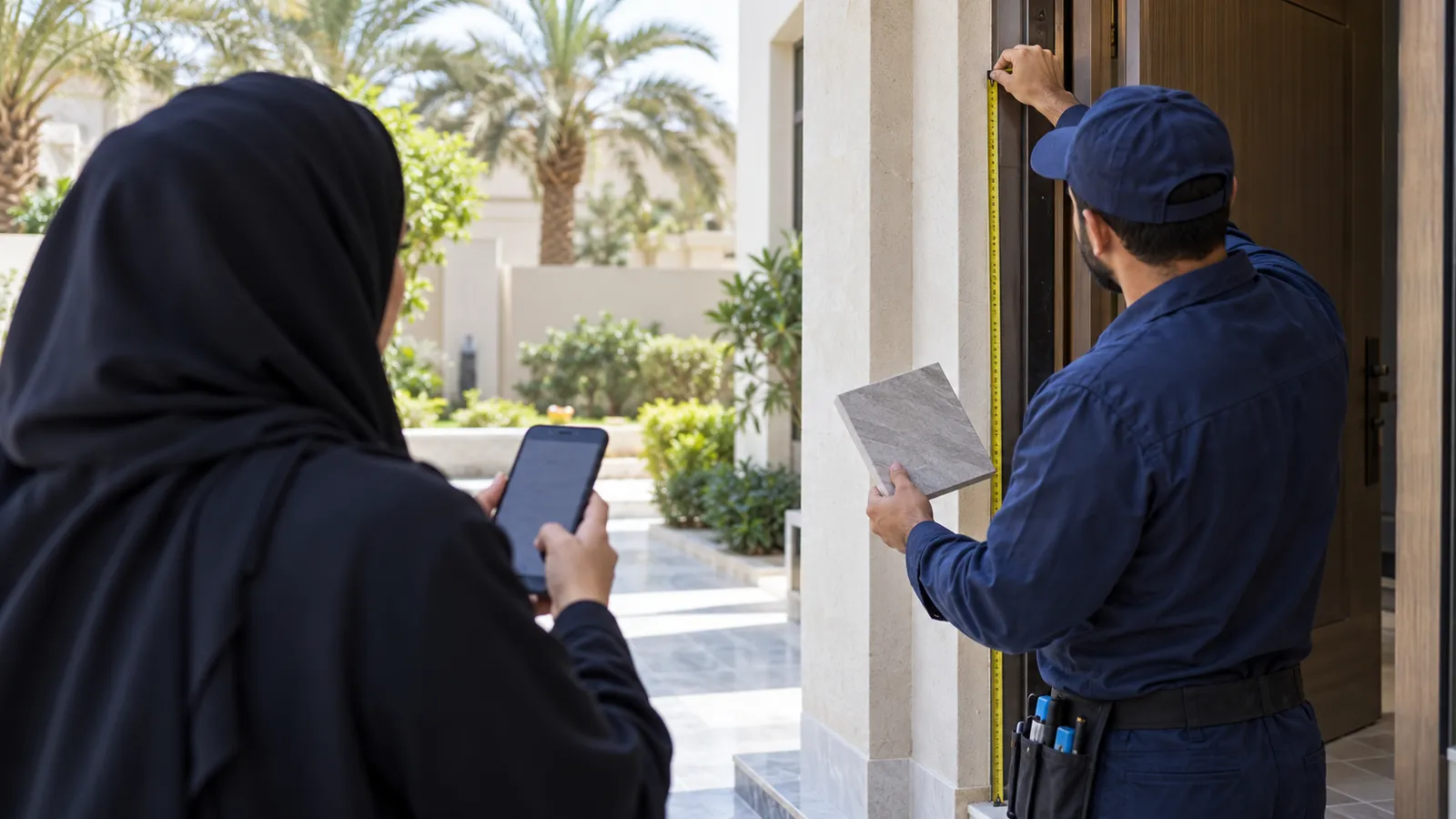
A trading company near the port, a maintenance contractor serving villas and compounds, a printing firm, a logistics agent, a clinic's marketing office: most Jeddah service and trading businesses get their enquiries the same way. Someone messages a salesperson on WhatsApp, the salesperson replies from a personal phone, a quotation is sent as a PDF, and the thread goes quiet. Weeks later nobody is sure whether the customer said yes, asked for a revision, or went elsewhere. The owner finds out when the salesperson leaves and the phone goes with them.
Where Jeddah leads come from, and where they go missing
- WhatsApp messages to individual salespeople, often outside working hours.
- Calls to the office landline that are written on a notepad.
- Emails to a shared inbox that two people both think the other answered.
- Website and Instagram enquiries that arrive in a mailbox nobody checks on Thursday afternoon.
- Referrals from existing customers, mentioned in passing and never recorded.
A CRM gives all of these one queue, one owner per lead and one history. If your team is small and every enquiry is already answered the same day, you may not need it yet; our comparison of a CRM against Excel is honest about when a sheet is enough.
Quotations that survive the revision
Jeddah customers ask for revisions: a different quantity, a lower price, a longer validity. If each revision is a new PDF, the salesperson and the customer soon hold different versions. The CRM should keep one quotation with numbered versions, each in SAR with 15% VAT shown, each printed in Arabic and English, and each marked as sent, accepted or replaced. Discounts beyond a limit wait for a manager. When a version is accepted, it becomes the order, and accounts never retype it.
A sales week in Jeddah, with and without a CRM
| Day | Without a CRM | With a CRM |
|---|---|---|
| Sunday | Weekend WhatsApp messages sit on several phones; some are answered twice, some not at all | Every enquiry from Friday and Saturday is in one queue with an owner |
| Monday | Quotations are typed in Word from the last similar one | Quotations are built from a price list, numbered and sent with VAT |
| Tuesday | A customer asks for a revision; a new PDF goes out | Version two is issued; version one is marked replaced |
| Wednesday | Follow-ups happen if someone remembers | Reminders fall due per lead, and the manager sees what is overdue |
| Thursday | The week ends with no clear picture of open deals | The pipeline report shows what is open, won and lost, and why |
WhatsApp without losing the thread
Most follow-up in Jeddah happens on WhatsApp, so the CRM should either connect through the WhatsApp Business API, with one company number that several staff answer, or at least give each salesperson a quick way to log a chat against the lead. Either way the conversation stays with the customer record, not with the phone. We wrote more about this in CRM for sales teams on WhatsApp. Under the PDPL, keep only the personal data you need, say what you use it for, and be ready to delete it on request; confirm the details with your lawyer.
Arabic, English and the customer record
A Jeddah customer may be entered as a company name in Arabic by one salesperson and in English by another. The CRM should store both names on one record and search either, so two records are not created for one customer. Users can work in Arabic or English, and documents the customer sees are designed right to left. If you later want purchasing, stock and invoicing in the same system, our guide to ERP software in Jeddah covers that step.
Collect every list
Export contacts from staff phones, Excel sheets, the accounting package and the email address book.
Merge by phone number
A phone number is the most reliable key in Jeddah; merge rows that share one and keep both names.
Add the missing Arabic or English name
Fill the second name for the customers you quote most often; the rest can follow later.
Tag by district and type
Mark each customer by area of the city and by what they buy, so reports mean something.
Assign an owner
Every active customer gets one salesperson, so Sunday's follow-up has a name on it.
Import and check the first week
Load the list, then watch for duplicates and missing numbers as the team starts using it.
Where Operix stands
Operix Systems builds CRM software for Saudi Arabia remotely from Karachi, two hours ahead of Jeddah, with discovery on a video call, screens approved before they are built, weekly releases and support on one WhatsApp number. We have no office in Jeddah and no Saudi client yet. The CRM work you can inspect is Sea Keepers, where enquiries arrive by email, are quoted, approved and turned into purchase orders in one system. Book a demo and bring one real quotation and one WhatsApp thread.
Questions people ask
Can the CRM log WhatsApp conversations?
Yes, through the WhatsApp Business API on one company number, or with a log-a-chat button if you prefer to keep personal numbers for now. Both keep the conversation on the customer record.
Can quotations be printed in Arabic?
Yes. Quotations print in Arabic, laid out right to left, with English beside it, in SAR with 15% VAT shown. Each revision is a numbered version of the same quotation.
Does it follow the Sunday-to-Thursday week?
Yes. Reminders, targets and reports follow the Saudi working week, so a follow-up that would fall on Friday moves to Sunday.
Do you have an office in Jeddah?
No. Operix works from Karachi and serves Jeddah remotely, with video-call discovery, weekly releases and WhatsApp support.
Can the CRM connect to our ERP or accounting software?
Yes. An accepted quotation can create a sales order or invoice in your ERP through an API or a scheduled import, so nothing is retyped.