
Two days before Eid, a mithai shop in Karachi or Lahore has a queue to the door. One customer wants two kilos of mixed mithai in four boxes, the next wants a birthday cake for tomorrow with a name on it, and a company has ordered a hundred boxes for its staff. In the back, the karigars are frying jalebi and the manager is wondering how much of yesterday's stock went into the bin.
Three ways to sell
| Sale | Examples | Recorded as |
|---|---|---|
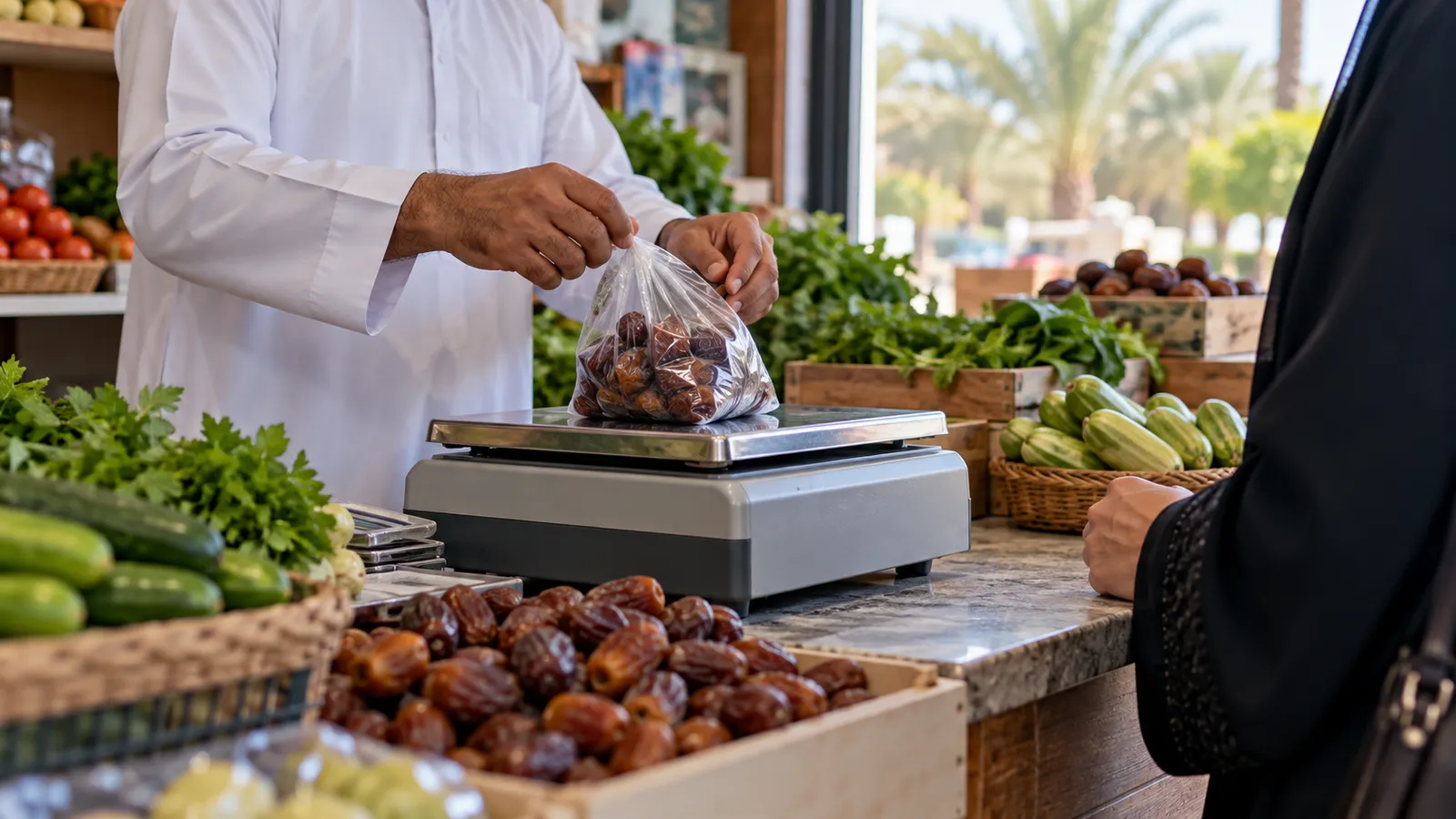
| By weight | Mithai, nimko, rusk, biscuits | Weight from the scale times price per kilo |
| By piece | Bread, buns, pastries, patties | Barcode or quick button per item |
| By order | Custom cakes, bulk mithai boxes | Order with advance, design and pickup time |
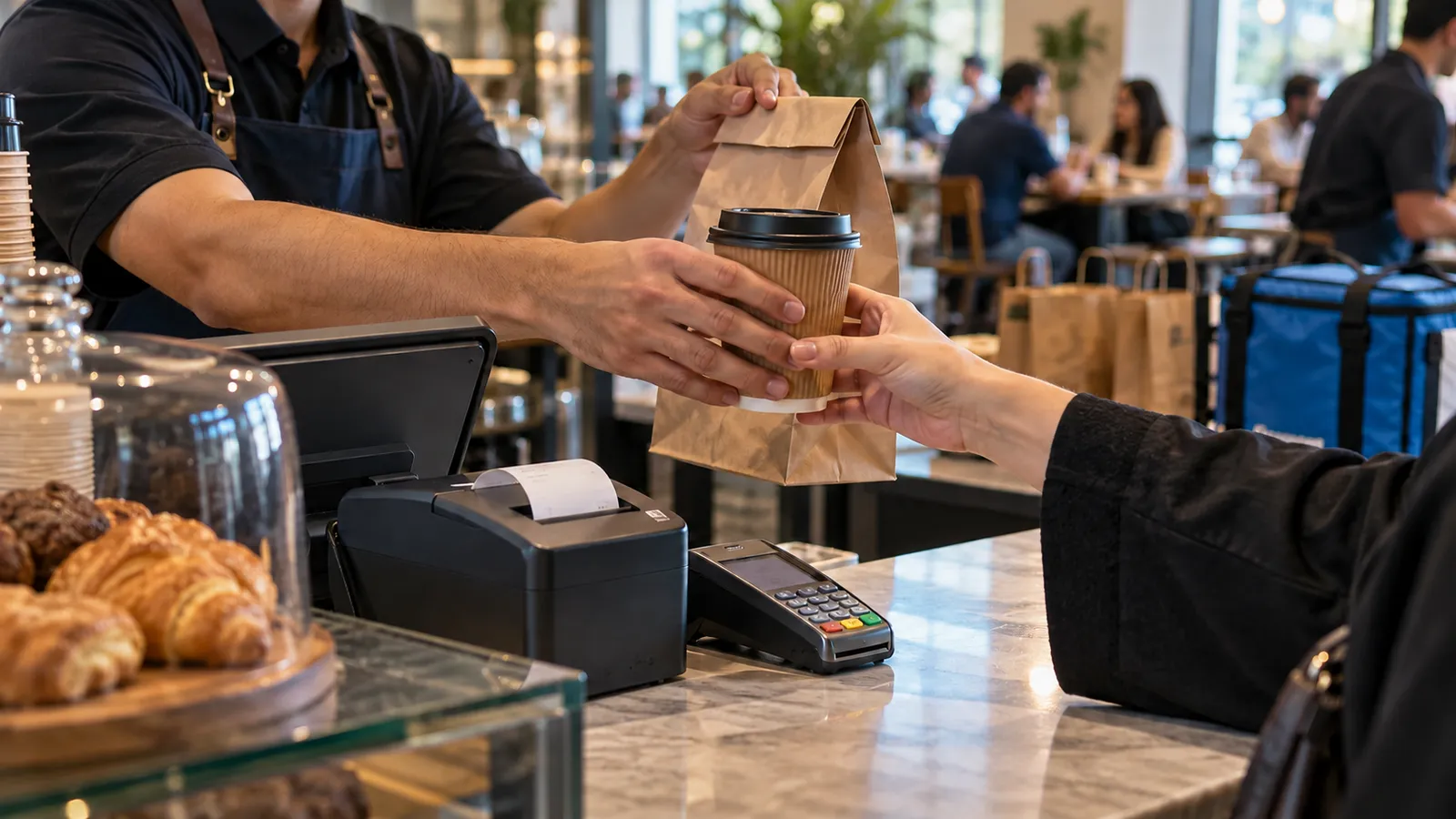
Quick buttons on a touch screen are faster than barcodes for bakery counters, because most items are unpackaged. A scale connected to the POS, or a scale that prints a weighed label, takes the guessing out of mithai sales.
Cake and bulk orders
A cake order slip should carry flavour, weight, design or photo, the message to write, pickup or delivery time, advance and balance. The kitchen sees the day's orders by time, and the counter sees what is ready. Bulk mithai orders for weddings, Eid and corporate gifts work the same way, with box sizes and mixes. Taking these as orders in the system, not on a register, means nobody forgets a hundred boxes.
Production and wastage
This is where bakeries quietly lose money. Record what the kitchen produced each day, what was sold, and what was thrown away or sold off cheap at closing. After a few weeks, the pattern is clear: which items are always made in excess, and on which days. Recipes can be added later to see the raw material cost of each item; start with the daily numbers.
Plan the morning batch
Enter what the kitchen will make today, item by item.
Transfer to the counter
As trays come out, record what moves from the kitchen to the shop.
Sell through the POS
Every sale reduces the counter stock as usual.
Record closing leftovers
At closing, enter what is left, what is thrown away and what is kept for tomorrow.
Review weekly
Look at wastage by item and day, and adjust tomorrow's plan.
Delivery apps and online orders
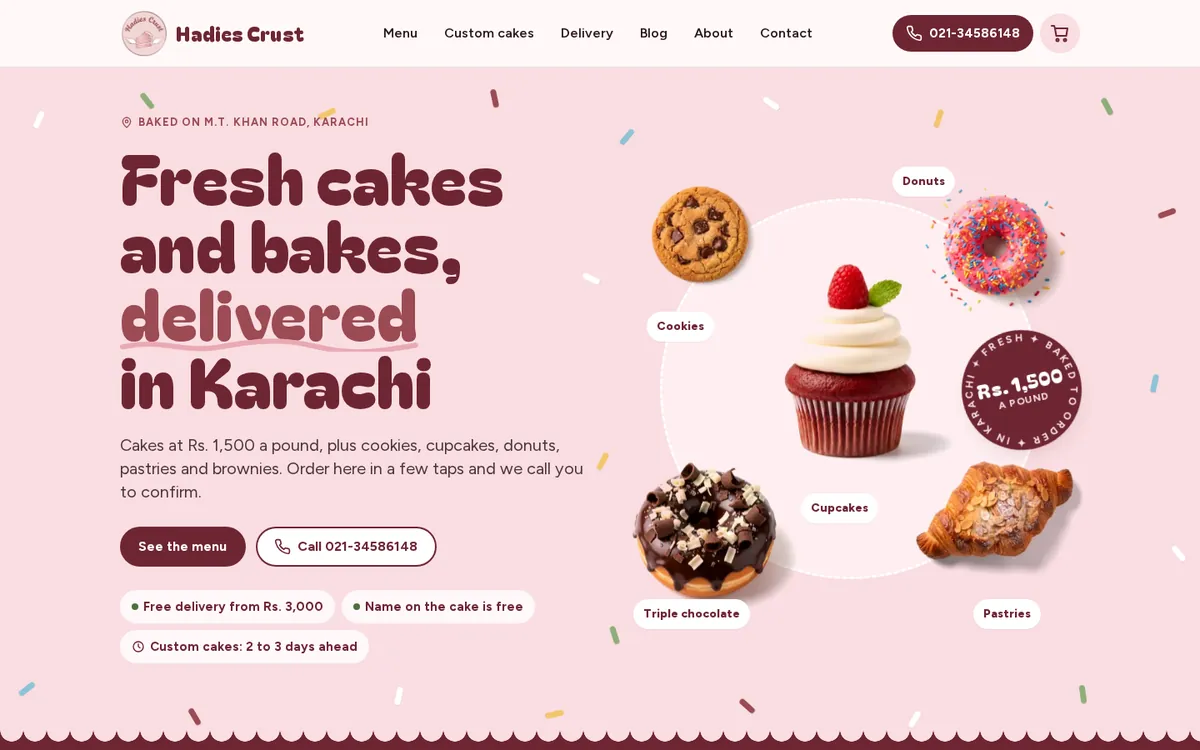
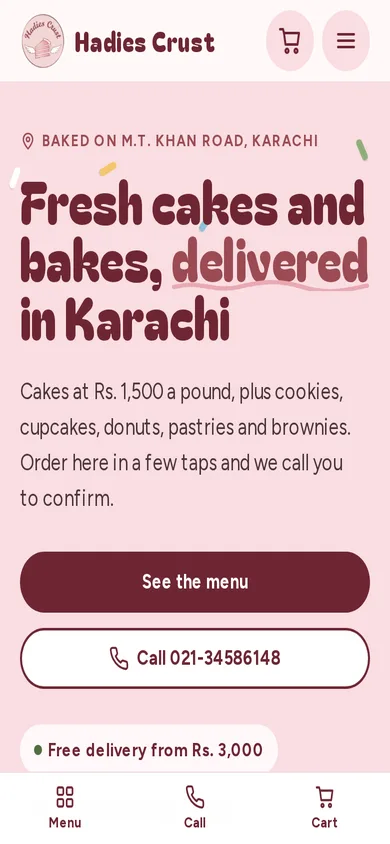
Many bakeries now take orders through their website, WhatsApp and delivery apps. Hadie's Crust, a Karachi bakery, has a website with its menu and online orders sent by email. The next step for a bakery like that is to bring those orders into the POS so the kitchen sees one list. If you also run a café or dine-in section, the restaurant POS in Pakistan guide covers tables and kitchen tickets.
Branches and the central kitchen
Bakery chains usually bake in one central kitchen and send trays to branches. Each dispatch should leave the kitchen and arrive at the branch in the system, and branch wastage should be reported back. That way the kitchen plans from real sales, not phone calls. See multi-branch business software for how transfers work, and keep billing offline-ready, because load shedding does not wait for Eid to end.
Raw materials and recipes
Flour, sugar, ghee, milk, khoya and dry fruit are bought in bulk and their prices move. Once the daily production log is steady, add simple recipes per item so the system can show how much raw material each day's production used. Compare that with what the storeroom issued, and you will see where waste or leakage happens. Start with your top ten items rather than every recipe in the kitchen.
When you do not need this
A small bakery with one counter, no cake orders and a short menu can run on a simple POS with quick buttons. Production and recipe tracking pay off when you have a real kitchen, several staff and enough volume that small leaks add up.
Corporate orders for Eid boxes and wedding orders often run into hundreds of boxes with a single delivery date. Book them early, with box sizes, mix and delivery address, and the kitchen can plan production days ahead instead of working through the night before the rush.
Shift closing should count cash, card and wallet payments per cashier, and note any items given free to staff or customers, so the drawer and the stock both balance at night.
Operix builds POS systems in Pakistan for bakeries and restaurants, from Old Clifton, Karachi, with on-site setup in Karachi. If you also run a grocery section, read supermarket POS software. Book a demo and bring one day's production sheet.
Questions people ask
Can the POS sell mithai by weight?
Yes. A connected scale or a weighed label gives the weight, and the POS multiplies it by the price per kilo.
Can we take cake orders with an advance?
Yes. Each cake order holds the design, message, pickup time, advance and balance, and the kitchen sees the day's orders by time.
How does wastage tracking work?
You record production, sales and closing leftovers each day. The weekly report shows which items are made in excess and on which days.
Do you have an office in Lahore?
No. Operix works from Old Clifton, Karachi. Lahore bakeries are served online, with visits when the project needs them.