
A new clothing brand in Karachi, a water company, a boutique: each starts with the same instinct to get the logo done. A designer sends three options, the owner picks the prettiest, and the first problem arrives a week later when it cannot be read on a WhatsApp profile picture or printed in one colour on a bag. This guide lists what a new business actually needs on day one, what can wait, and how the identity carries through to the website and the app.
What you need on day one
A name you can actually use
Before a logo, check four things at once: can the name be registered as a business, is the .com or .pk domain free, are the Instagram, Facebook and TikTok handles free, and does anyone in your trade already use something close? A name that fails one of these will be changed later, and everything built on it will be redone. Pick a name that passes all four, even if it is your second favourite.
One logo that works small and in one colour
The logo will spend most of its life very small: a profile picture, a favicon, a stamp on a receipt, a stitch on a label. Ask the designer for one mark that is clear at that size, and for a one-colour version that prints on a bag, a bottle or a shutter sign without gradients or fine lines. If the logo only works large and in full colour, it is a poster, not a logo.
Two colours and one typeface
One main colour, one supporting colour, and one typeface that is free to use commercially and has an Urdu companion if you will write in Urdu. That is the whole palette. Have the designer put the exact colour codes and font names on a single page; they will be typed into Instagram templates, the website, the invoice and the app.
A tone for replies
Most of a new business's words are written on WhatsApp and Instagram, by whoever is holding the phone. Decide now: do you reply in English, Urdu or Roman Urdu; do you keep it formal with aap or keep it short; do you use emojis; how do you answer a complaint. Write it on half a page and give it to everyone who replies. Customers notice when the same shop sounds like three different people.
Packaging or signage, if the business is physical
A shop needs a sign, a product needs a label, a delivery needs a bag or a box. These are the places the logo is printed by someone else on cheap material, which is why the one-colour version matters. Get the printer's requirements before the final files are made.
What can wait
| Need now | Can wait |
|---|---|
| A name with a free domain and handles | A tagline |
| One logo, with a one-colour version | Animated logo and intro videos |
| Two colours and one typeface, written down | A full brand book with rules for every case |
| A half-page tone guide for WhatsApp and Instagram | Branded merchandise: caps, mugs, T-shirts |
| A label, bag or sign if the product is physical | Shop interior and fit-out design |
| Profile pictures and a cover image for each channel | A photo shoot with models |
| Invoice and receipt layout with the logo and contact details | Stationery, letterheads and business cards |
Nothing in the right-hand column is useless. Each becomes worth doing once there are customers to see it. Spending on it first takes money from stock, from the website and from the first months of running costs.
How the identity carries into the website and the app
A website or an app is where most people will meet the brand, so the two colours, the typeface and the tone go straight into the design. The main colour becomes the buttons; the supporting colour marks sale prices or alerts; the typeface sets every heading; the tone writes the error messages and the order confirmations. This is why we ask for the identity page before screen design starts in UI/UX design, and why a site built without one ends up with a logo pasted onto a template.
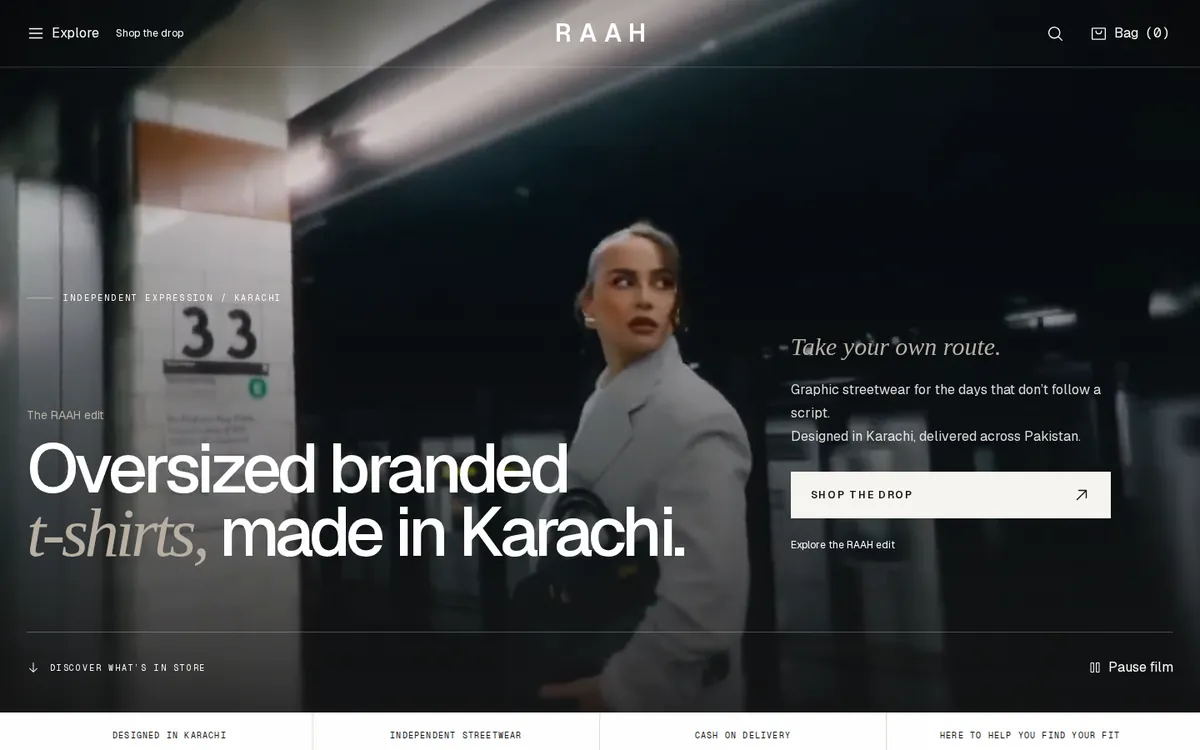
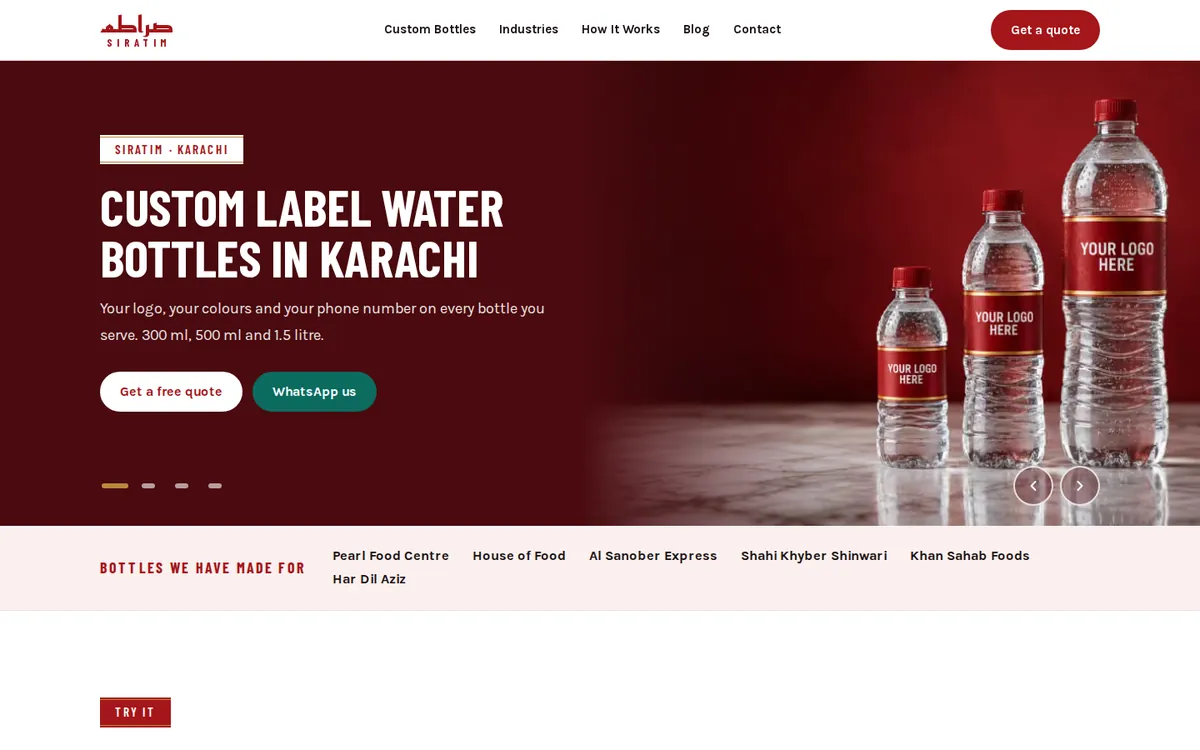
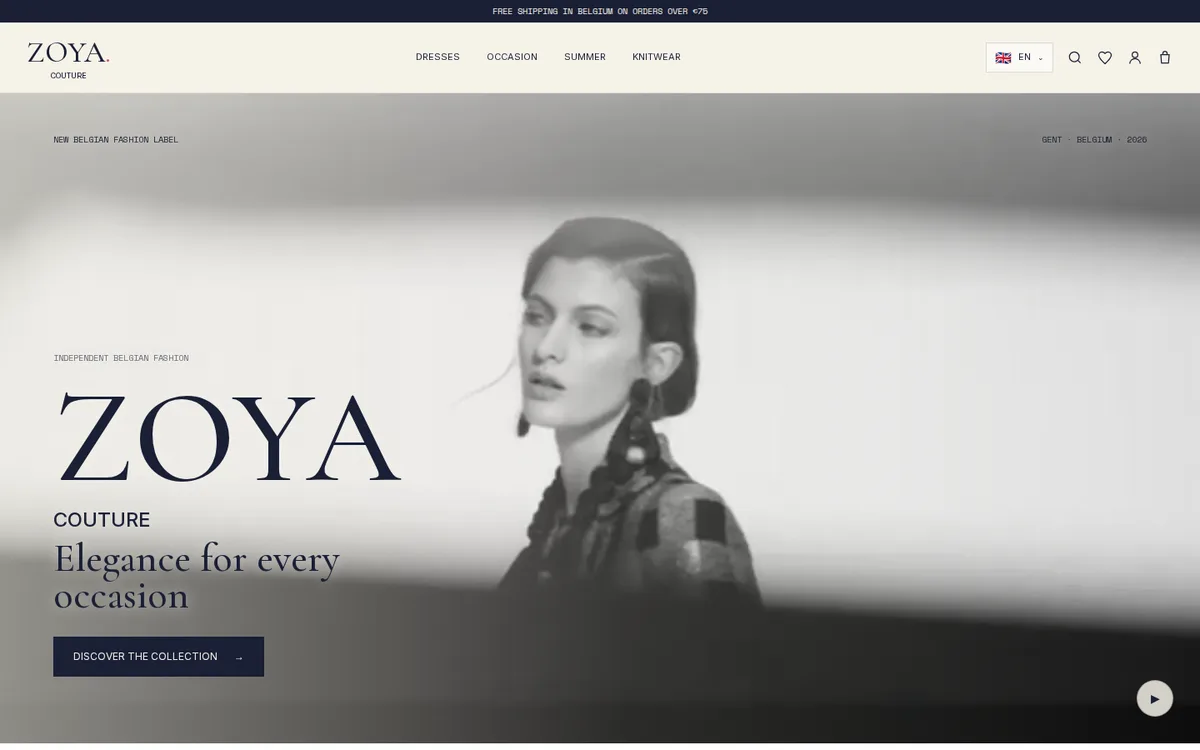
The RAAH Fits store for a Karachi streetwear brand, the Siratim brand website for a bottled water company and the Zoya Couture store for a new Belgian label each carry a small identity of this kind through every page and screen. Our website launch checklist lists the brand files a site needs before it goes live, and for a brand selling on Instagram first, the guide to moving from an Instagram store to a website shows where the identity meets stock and orders.
Mistakes that cost new businesses most
- Copying a competitor's look. Customers confuse the two, and the competitor's lawyer may not.
- A logo that cannot be printed: gradients, thin lines, five colours, a photo inside it.
- A name chosen before the domain and handles were checked.
- A different colour on every post because nobody wrote the codes down.
- Three people replying in three tones on the same WhatsApp number.
- Paying for a brand book before the business has sold anything.
A practical order of work
Check the name
Registration, domain and social handles, in one sitting, before any design.
Brief one logo
Ask for a mark that reads at profile-picture size and a one-colour version.
Fix colours and type
Two colours with codes, one typeface, on one page everybody can find.
Write the tone
Half a page: language, forms of address, emojis, how to answer a complaint.
Make the channel assets
Profile pictures, cover image, invoice layout, and the label or sign if needed.
Hand it to the website and app designers
The identity page goes in before the first screen is drawn.
If you are not sure whether the identity you have is enough to build on, send it to us and ask; we will say plainly whether it needs more work or whether the money is better spent on stock and the site.
Questions people ask
Do I need a full brand book before launching?
No. A one-page sheet with the logo files, two colour codes, the typeface and a half-page tone guide is enough to keep everything consistent. A full brand book is worth writing once several people or agencies are producing material.
How many logo options should I ask for?
Two or three directions at most, then refine one. What matters more is that the chosen mark reads at profile-picture size and has a one-colour version for printing on bags, labels and signs.
Should the name be in English or Urdu?
Whichever your customers will type and say. Check that the domain and the social handles are free for the spelling you choose, and decide early whether you will write in Urdu, English or Roman Urdu on your channels.
Can I change the brand later?
You can, but everything that carries it changes with it: packaging, signs, the website, the app, every profile. Getting the name and the one-colour logo right at the start is far cheaper than a rebrand once customers know you.
Does the identity affect the website and app design?
Yes, directly. The colours become buttons and alerts, the typeface sets the headings and the tone writes the messages. Screen design goes faster and looks like one business when the identity sheet exists first.