Cash on delivery is how a large part of Pakistan buys online. The customer orders, the parcel arrives, and the courier takes the cash. It is simple for the buyer and work for you: fake orders, refused parcels, cash that comes back from the courier in a lump, and a notebook that never quite matches. These are the operational questions, answered for a store you own.
How does a COD order flow from the website to cash in your account?
Order placed
The customer chooses cash on delivery at checkout. The store saves the order as new, holds the stock and sends an order message.
Confirmation
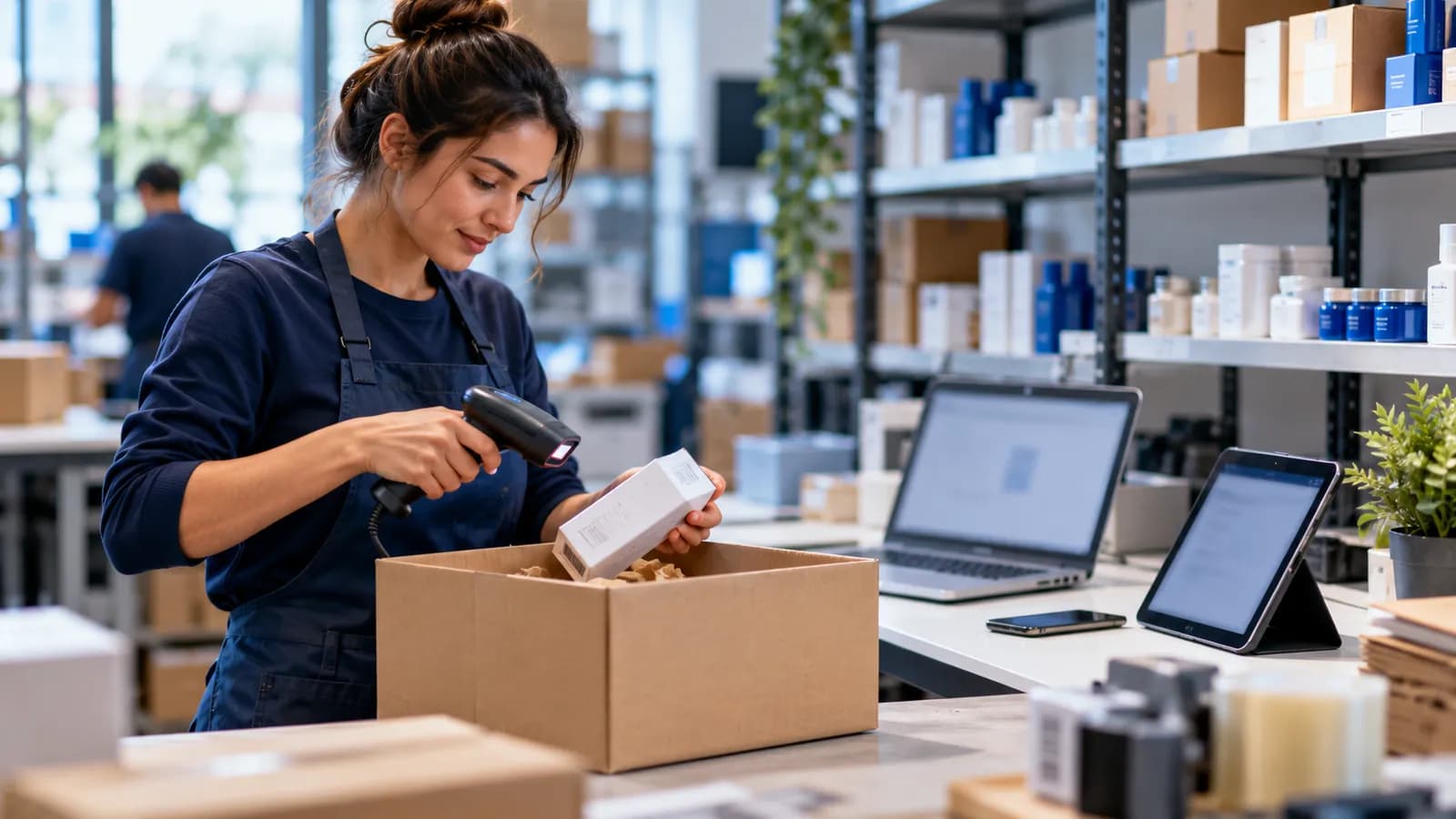
Staff confirm the order and address by WhatsApp or a call. Confirmed orders move on; unanswered ones are retried and then cancelled, releasing the stock.
Courier booking
The order is booked with the courier, by integration or by uploading the day's list in the courier's format, and the tracking number is saved on the order.
Delivery
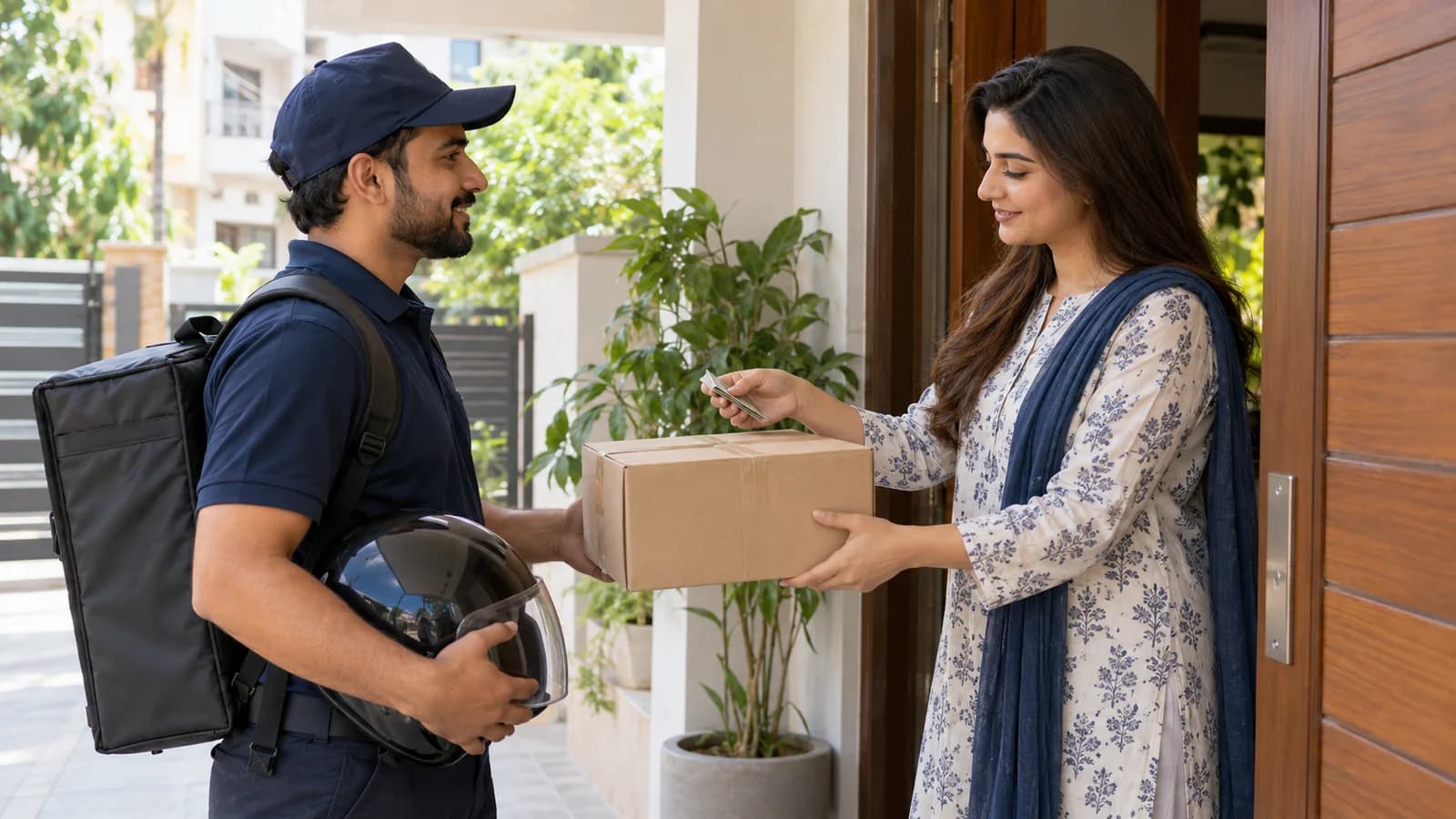
The courier delivers and collects the cash, or brings the parcel back if the customer refuses. The order is marked delivered or returned.
Settlement
The courier pays the collected cash to your account with a statement. Staff match each order on the statement and mark it paid.
How do I cut fake and refused COD orders?
- Confirm before you dispatch. A short WhatsApp message asking the customer to reply yes catches wrong numbers and casual orders.
- Check the phone number format at checkout, and ask for a landmark in areas where addresses are loose.
- Take an advance on high-value, custom-made or made-to-order items, by JazzCash, EasyPaisa or bank transfer, with the balance on delivery.
- Keep a blocklist of numbers and addresses that refused before, and ask those customers to prepay.
- Show the delivery charge and the expected delivery window clearly, so nobody is surprised at the door.
- Record the reason for every return. Patterns by city or by product tell you where to tighten the rules.
What does the website need to support cash on delivery?
- Order stages that staff can move: new, confirmed, booked, delivered, returned, paid by courier.
- A confirmation step, with the customer's reply or the call note saved on the order.
- Courier name and tracking number on the order, shown to the customer as well.
- COD charges at checkout, if your business adds them, applied by city or order value.
- A return flow that puts the piece back into stock and closes the order.
- A customer record that shows past refusals before staff confirm a new order.
- Reports: orders waiting for confirmation, parcels out with each courier, cash still due from each courier.
What should the store record at each stage?
| Stage | Who acts | What the store records |
|---|---|---|
| New order | Customer | Items, address, phone, delivery charge, stock held |
| Confirmed | Your staff | Confirmation method, time, any address correction |
| Booked | Staff or the integration | Courier, tracking number, parcel weight, booking date |
| Delivered or returned | Courier | Status from tracking, return reason, piece back in stock |
| Paid by courier | Courier and your accounts | Statement reference, amount received, shortfall if any |
How do I reconcile courier COD payments with orders?
Each courier sends a statement listing the parcels delivered in the period and the cash it is paying, less its charges. In the admin, open that statement, tick the orders it covers and mark them paid. What remains tells you three things: orders the courier delivered but has not yet paid for, parcels returned to origin that are back in your stock or still on the way, and shortfalls where the amount collected does not match the order. Raise those with the courier while the statement is fresh. Doing this from a notebook or memory is where stores lose money quietly. TCS, Leopards, M&P and PostEx each have their own statement format, so the admin should accept a simple upload or a manual tick-off rather than depend on one courier's file.
When should COD be combined with prepaid options?
From the start, as a choice for the customer, and as a rule for certain orders. Offer bank transfer and wallet payment at checkout for customers who prefer them, and require prepayment or an advance for custom items, large orders and addresses that refused before. Prepaid orders skip the confirmation call and never come back refused. The gateway side, including card payments, is explained in payment gateway for an ecommerce website in Pakistan.
A rule of thumb: the cheaper the item and the newer the customer, the more a confirmation message is worth. For a repeat customer with a clean record, confirm by a single message and book the parcel the same day.
Who has built a COD store like this?
RAAH Fits is an online store for a Karachi streetwear brand that takes cash on delivery across Pakistan, with an admin for products, stock, orders and customers. For brands moving from Instagram and WhatsApp selling, from Instagram store to own website covers stock by size and colour. Our web development team builds the order flow above as part of the store, and our website development company in Karachi page explains how a project runs. What the rest of the store should include is in online store development in Pakistan. Book a free demo and bring last month's courier statement; we will show you how the admin handles it.
Questions people ask
Can the courier confirm the order for me?
Some couriers offer confirmation calls as a service. It still pays to confirm from your own number, because the customer recognises the brand and answers questions about sizes or colours.
Who pays for a returned parcel?
Usually the business pays the courier's charge both ways; check your courier agreement. Record every return so you can see which products and areas cause them.
Can I add a COD charge?
Yes, by city or order value. Show it before the customer confirms, and consider waiving it for prepaid orders to nudge customers towards them.
How do I choose a courier for COD?
By coverage in the cities you sell to, how returns are handled, and how its settlement statement reaches you. Many stores use more than one courier and let the admin record each.
Can the store hold stock for unconfirmed orders?
It should hold stock when the order is placed and release it when the order is cancelled after failed confirmation, so a popular size is not blocked by orders that never go out.