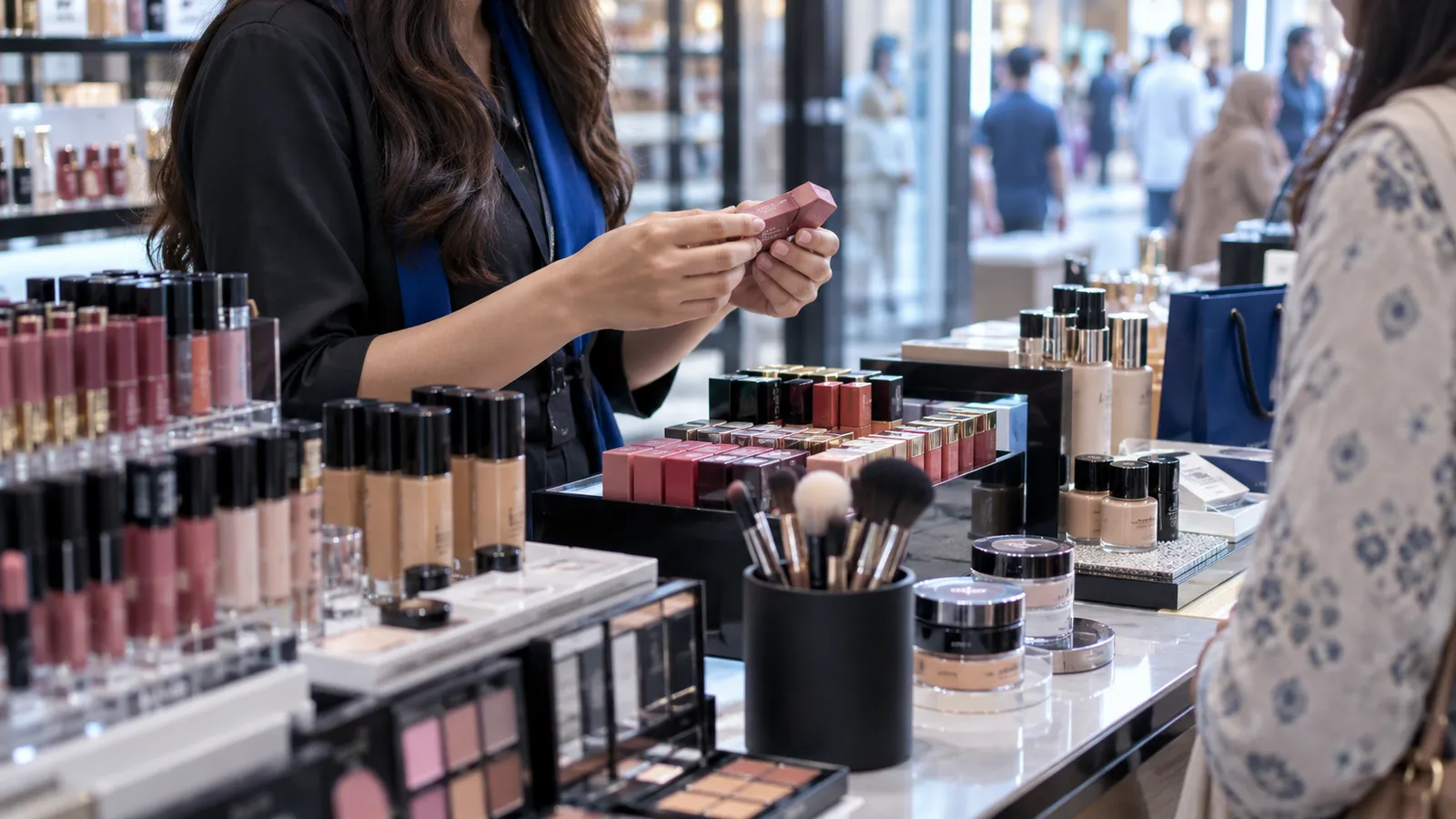
A cosmetics shop in a Karachi mall or on a busy Lahore market street holds thousands of small, similar items: twenty shades of one foundation, three sizes of the same cream, imported and local versions side by side. Some expire in months, testers sit open on the counter, and a regular customer wants 'the same lipstick as last time' without remembering the name. A plain billing app sees none of this.
Batch and expiry from the receiving desk
Expiry is printed on the product, but it only helps if it is in the system. When stock arrives, the receiving person enters the batch number and expiry date for each product line. From then on the software can sell the oldest batch first, list what will expire in the next month or two, and stop a sale of anything already past date. This is the same logic a pharmacy uses, and our guide to pharmacy software with batch and expiry explains it in more depth.
Shades, sizes and gift sets
List each product once, with its shades or sizes beneath it. Staff search 'matte lipstick' and see every shade with stock, instead of scrolling through dozens of separate items. Gift sets, popular around Eid and wedding season, are built from single items: when a set is sold, each item in it leaves stock. If you make the sets in the shop, the software should let you assemble them and move the pieces from single stock to set stock.
| Type | How it is counted | What to watch |
|---|---|---|
| Saleable stock | By product, shade and batch | Expiry and slow shades |
| Testers | Separate tester stock, written off when finished | How many testers each brand uses |
| Gift sets | Built from single items | Single items locked inside unsold sets |
| Damaged or expired | Moved out of saleable stock with a reason | Losses by brand and supplier |
Testers are a real cost
Every tester is a product you bought and cannot sell. Some brands supply testers free; many shops open a unit themselves. Move testers into their own stock location with a reason, so the shelf count stays right and you can see at the month end how much you spent on testers per brand. It also helps when a supplier offers to replace testers.
Customers who come back
Beauty buyers are loyal to shades. Saving the customer's phone number at billing lets staff look up past purchases and find the exact shade and batch. A simple points scheme or a birthday message over WhatsApp can be added later; start with the purchase history, which is useful on day one.
Sort products by expiry risk
Skincare, sunscreen and anything with a short shelf life first; nail and hair tools last.
Enter batch and expiry on current stock
Go shelf by shelf for the high-risk products and record what is there today.
Make receiving strict
From now on, no stock enters the system without batch and expiry where the product has them.
Set the warning period
Choose how far ahead you want to see items nearing expiry, and run that list each week.
Agree returns with suppliers
Note which suppliers take back near-expiry stock, so the list tells you what to return and to whom.
Payments, online orders and branches
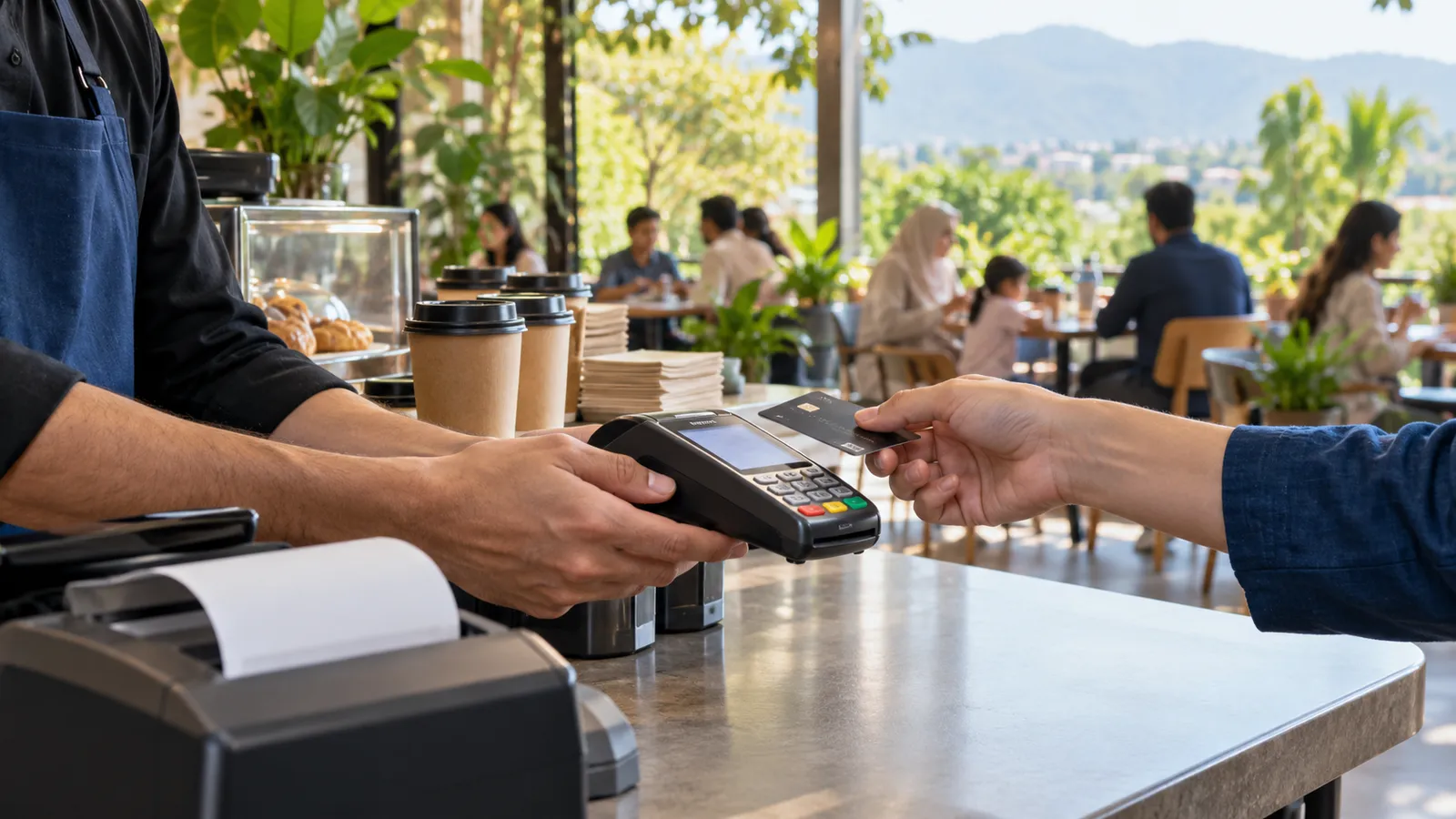
Customers pay by cash, card, JazzCash and EasyPaisa. Many cosmetics shops also sell through Instagram and WhatsApp with cash on delivery, so online orders should reserve stock and carry courier details. With more than one outlet, keep one item list and transfer stock between branches; see multi-branch business software. If you are deciding between a POS and a full ERP, read retail POS or ERP.
Imported and local brands
Imported products often arrive through importers with their own invoices, sometimes with labels in other languages, while local brands come through distributors with salesmen and schemes. Record the supplier and cost per batch either way. When the same product is sold at different costs from different importers, the batch tells you your real margin, and the expiry list tells you which supplier's stock to sell first.
Price labels are a quiet problem in cosmetics. Importers change prices, and a shelf full of old stickers leads to arguments at the counter. Let the POS be the single source of the price, print shelf labels from it when a price changes, and keep the printed price on the product only where the brand requires it. Cashiers then sell at one price, and the receipt always agrees with the shelf.
Seasonal sales such as Eid, wedding season and year-end clearance should be set up in advance with dates, by brand or by product. Staff should not be typing discounts by hand; that is where margins disappear without anyone noticing.
Operix builds POS systems in Pakistan for retail and pharmacy stores from Karachi. Book a demo and bring a list of your top brands and how you receive them.
Questions people ask
Can the POS stop the sale of expired products?
Yes. When batch and expiry are recorded on receiving, the POS can warn or block a sale of an expired batch and sell the oldest stock first.
How should testers be handled?
Move them into separate tester stock with a reason. The shelf count stays correct and you can see tester costs per brand.
Can we sell gift sets made in the shop?
Yes. A set is built from single items, and selling the set takes each item out of stock.
Do you have an office in Islamabad?
No. Operix works from Old Clifton, Karachi, and serves Islamabad and other cities online, with visits when the project needs them.