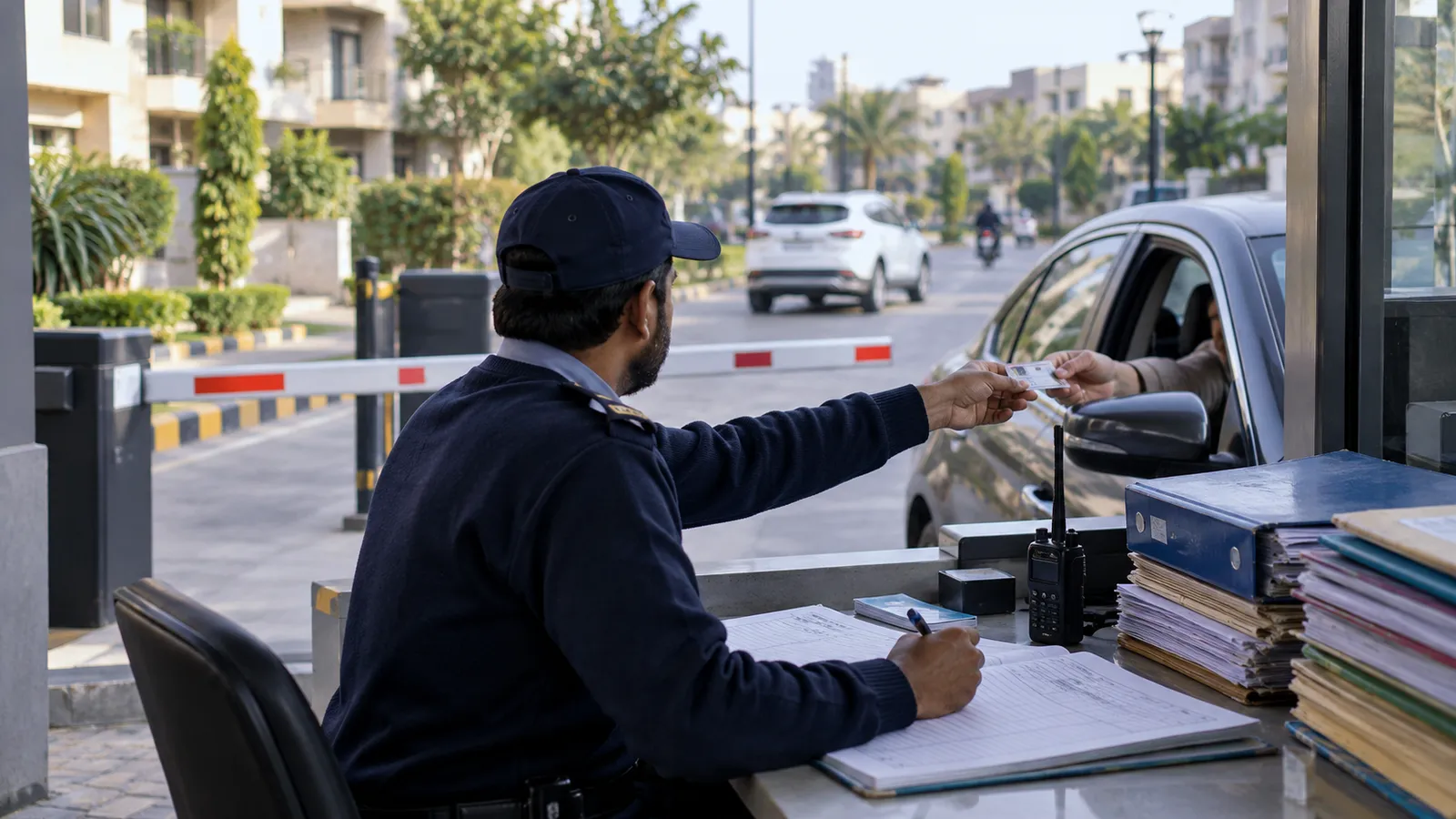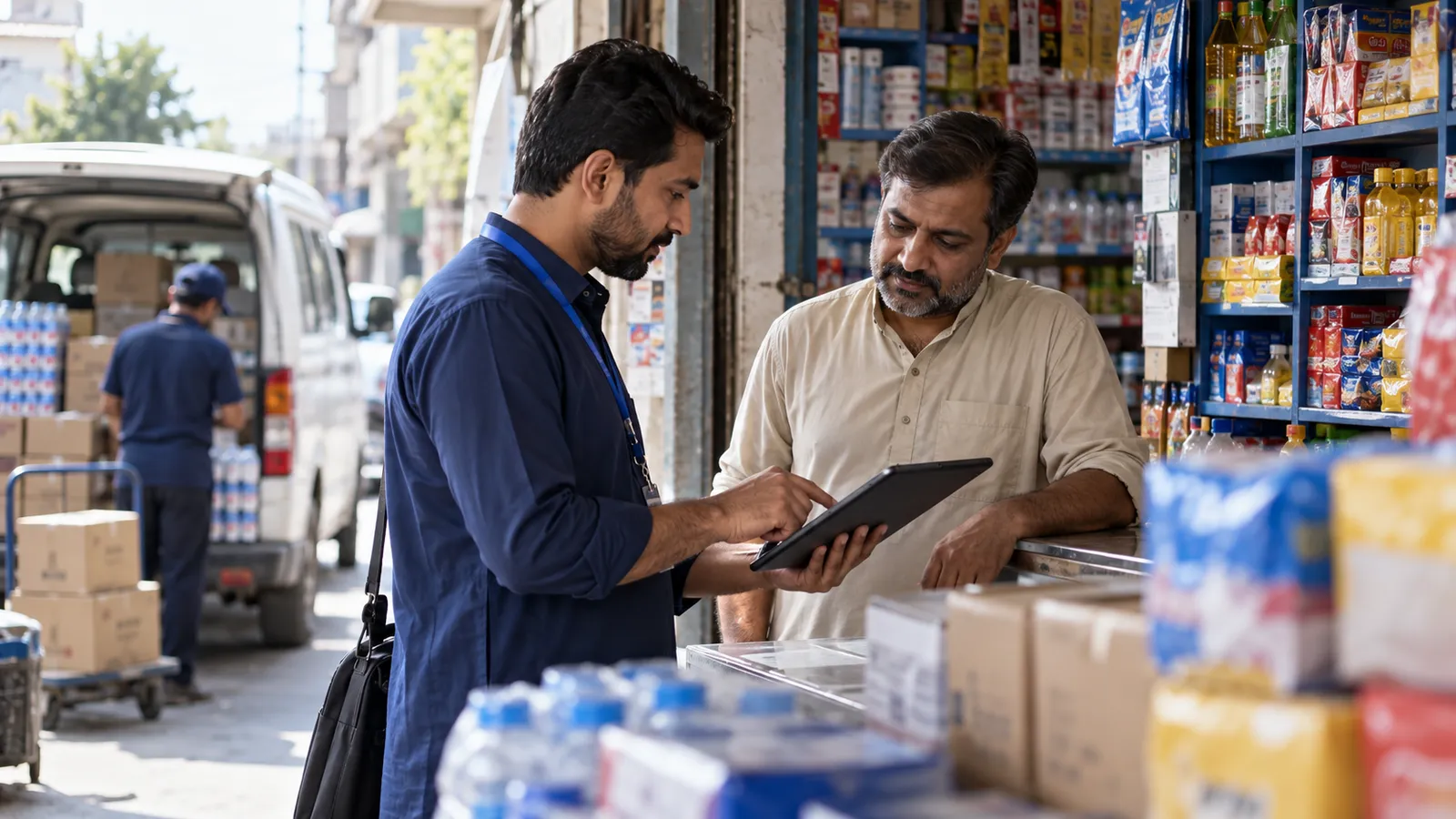
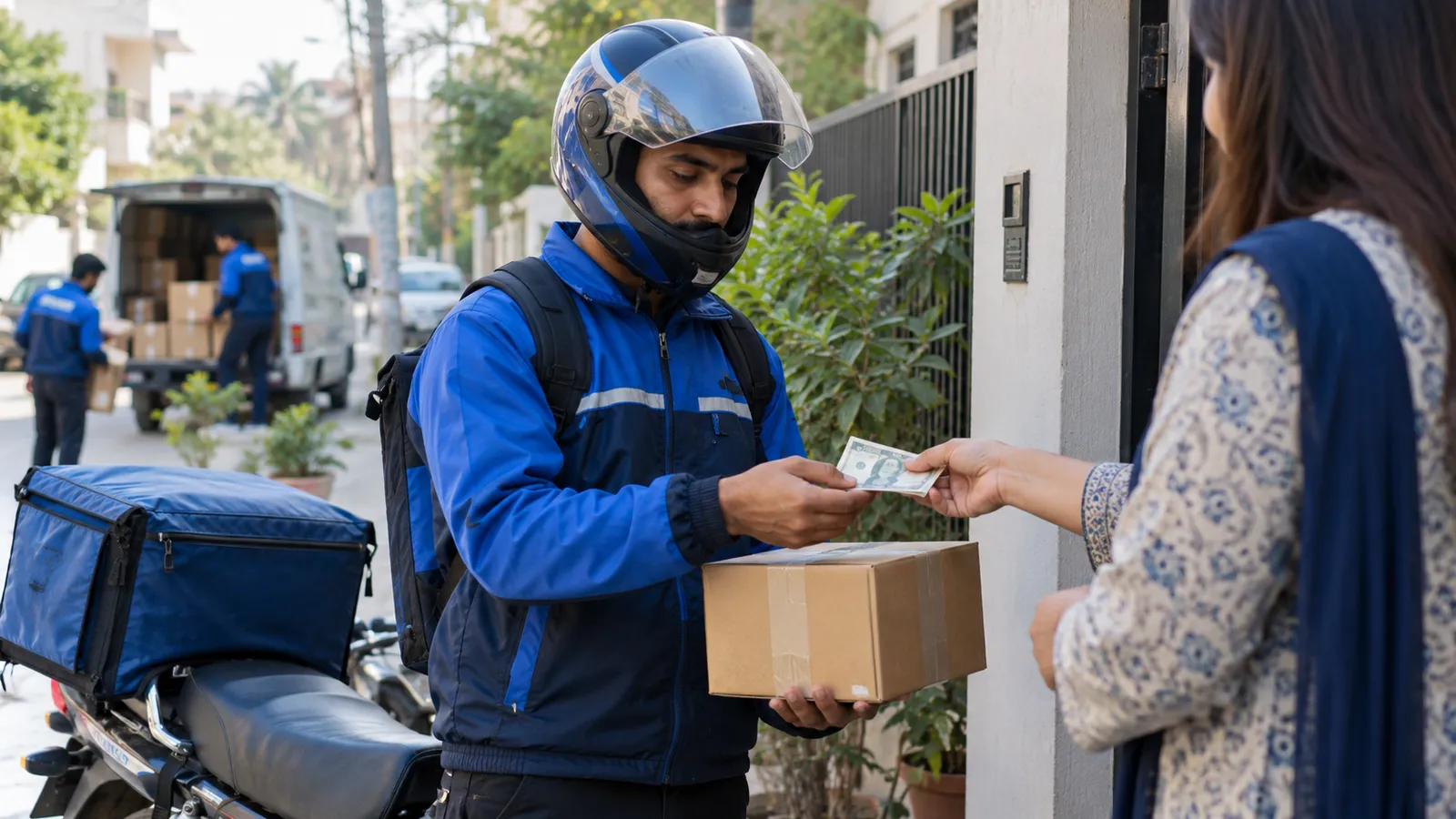
Online stores across Pakistan sell on cash on delivery, and a courier company carries both the parcel and the money. Merchants book parcels in the morning, riders go out with runsheets, some customers pay, some refuse and some are not home. By evening the cash has to be counted rider by rider, and by the end of the week every merchant wants a statement and a transfer. When that runs on spreadsheets and phone calls, merchants leave.
The life of a parcel
- The merchant books the parcel through a portal, an API from their store, or an uploaded sheet.
- The parcel is picked up and scanned in at the branch.
- It is sorted to a destination city or area and moved there.
- It is assigned to a rider's runsheet for delivery.
- The rider delivers it and collects COD, or records why the attempt failed.
- Failed parcels are retried or returned to the merchant.
- Collected COD is deposited by the rider, reconciled, and settled to the merchant.
Each step is a status with a time and a person. Together they make the tracking page the customer sees and the history the merchant checks when a buyer says the parcel never came.
Riders and runsheets
A rider app replaces the paper runsheet. The rider sees parcels in order, calls the customer from the app, marks delivered with a photo or signature, or picks a failure reason such as refused, not home or wrong address. Load shedding and weak signal are normal in many areas, so the app must save updates on the phone and send them later. Our mobile app development service builds apps like this for Android, which most riders carry.
| Point | What goes wrong | Control in the software |
|---|---|---|
| Rider at day end | Cash short against delivered parcels | Expected cash per rider from delivered COD |
| Branch to head office | Deposits not matched to riders | Deposit slip linked to the rider's day |
| Merchant settlement | Wrong parcels or charges on a statement | Statement built from parcel statuses and rate card |
| Returns | Returned parcels still billed or lost | Return status with handover to merchant signed |
COD settlement to merchants
Settlement is where a courier wins or loses merchants. For each merchant the system lists delivered parcels and their COD, deducts delivery charges from the agreed rate card, shows returns and their charges, and produces a statement and a payable amount. Payment goes by bank transfer, and the statement goes to the merchant by email or WhatsApp. Merchants who can log in and see the same figures argue far less. Settlement on a fixed weekly day, with the statement sent before the transfer, builds the habit merchants look for when choosing a courier.
Lock the runsheet
When the rider returns, the branch closes his runsheet so no status changes after counting.
Compare cash to deliveries
The system shows COD expected from delivered parcels; the cashier counts and enters what was handed over.
Record differences
Any short or excess amount is recorded against the rider with a reason.
Receive returned parcels
Failed parcels are scanned back into the branch for retry or return.
Deposit and link
The day's deposit is made and its slip is linked to the riders whose cash it carries.
Merchants, branches and rates
Merchants need a portal to book, print labels, track and download statements. Larger stores want an API so orders flow from Shopify, WooCommerce or their own site. Each merchant can have its own rate card by weight and zone. Branches in different cities each need their own riders, cash and stock of parcels; see multi-branch business software. The wider operations side, including fleets and warehouses, is covered in ERP for logistics companies and on our logistics industry page.
Sales tax on services is provincial, collected by the Sindh Revenue Board in Karachi and the Punjab Revenue Authority in Lahore. How it applies to courier charges across provinces is for your adviser: confirm with your tax adviser.
Starting small
A new courier does not need everything at once. Start with booking, runsheets, statuses and COD settlement. Add the merchant API, route planning and detailed rider performance once the core runs cleanly. If you mainly move freight by truck rather than parcels, goods transport software is the better fit.
Operix Systems builds ERP software in Pakistan and Android apps from Old Clifton, Karachi. We design every screen with you before building, release weekly and train staff in Urdu or English. To talk through your parcel flow, contact us.
Questions people ask
Can merchants connect their online store?
Yes, through an API or a plugin for their store, so orders become bookings without retyping. Smaller merchants can book in a portal or upload a sheet.
Does the rider app work without internet?
It should. Updates are saved on the phone and sent when the signal returns, so a weak connection does not stop deliveries.
How are COD differences handled?
Each rider's expected cash is calculated from delivered parcels. Differences are recorded against the rider with a reason before the day is closed.
Do you have an office in Lahore?
No. Operix works from Old Clifton, Karachi. Karachi couriers get on-site setup; companies elsewhere are served online, with visits when needed.