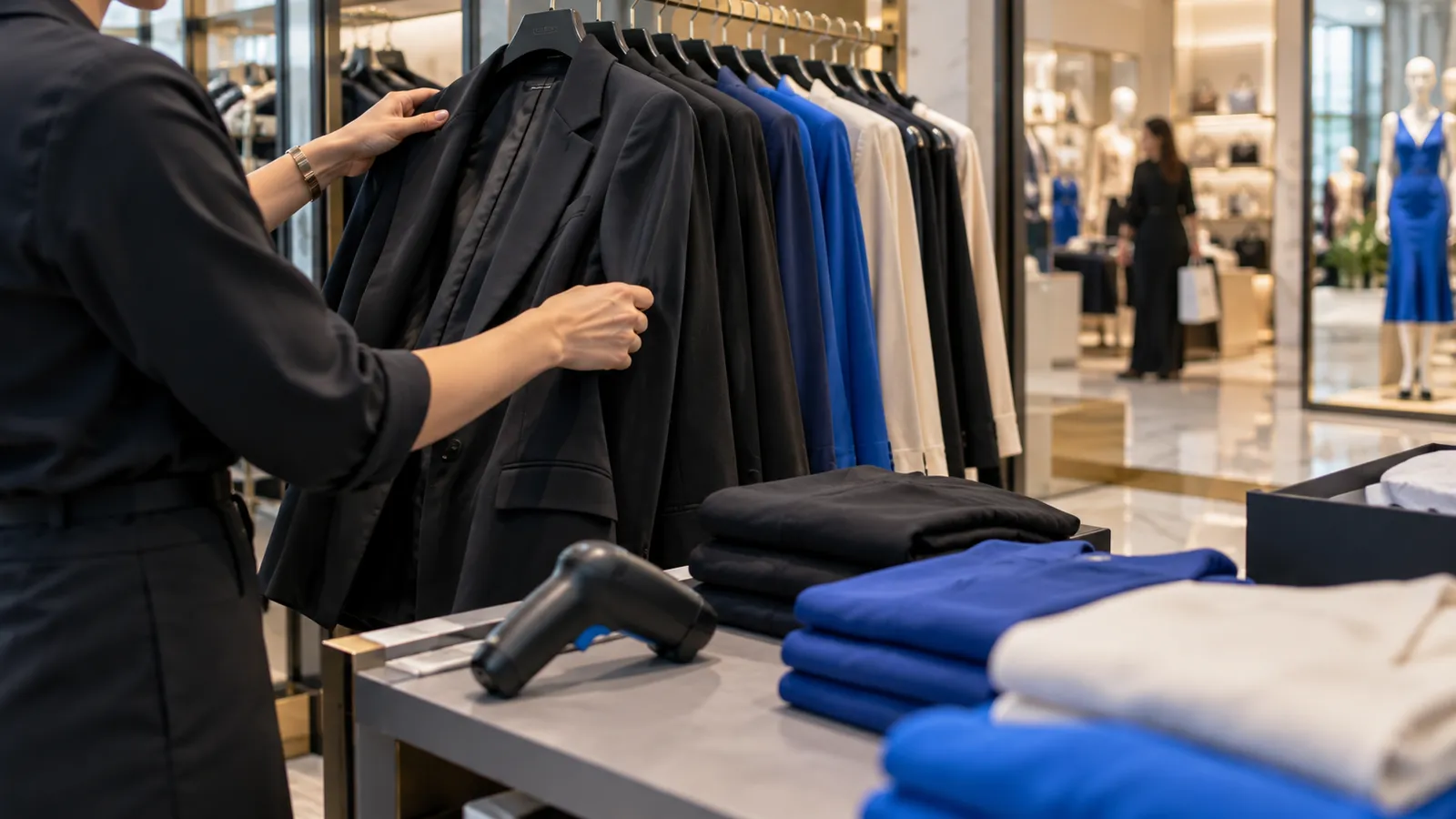
A fashion brand in Dubai with a shop in Dubai Mall, another in Mall of the Emirates, a warehouse in Al Quoz and an online store faces the same question a hundred times a day: 'Do you have this in a medium, in black?' The honest answer depends on four stock counts, and the customer is standing at the counter while a staff member sends a WhatsApp message to the other branch. Dubai Shopping Festival and the Eid collections make it worse. An ERP for fashion retail in Dubai exists to answer that question in one look, and to remember the customer when she comes back.
Customer experience is a stock question first
Loyalty cards and birthday messages are nice, but the experience a shopper remembers is whether the item was there, whether it could be brought from the other branch by tomorrow, and whether a return was painless. All three depend on stock that is correct across every location in the same minute. That is why a fashion ERP starts with inventory and builds the customer tools on top; the general shape is described in inventory management software.
The size and colour matrix
A style is one item. Under it sit the colours, and under each colour the sizes, and each of those variants has its own barcode, cost, stock and sales history. Buying is done in a matrix too: a purchase order for a style lists sizes across and colours down, the way suppliers in Dubai, Turkey, India and China already quote. Without the matrix, a shop ends up with hundreds of separate items for one dress and no way to see that the medium always sells out first.
| ERP part | What staff do with it | What the shopper notices |
|---|---|---|
| Variant matrix | Scan one barcode and see every size and colour of that style | A quick, true answer at the counter |
| Stock across locations | Reserve an item at another branch or ship it from the warehouse | The dress arrives tomorrow instead of 'sorry' |
| Customer history | See past purchases, sizes and preferences before suggesting | Staff who remember her |
| Loyalty and promotions | Apply points, DSF offers and Eid bundles without a calculator | The discount she was promised |
| Returns and exchanges | Exchange a size or refund against the original receipt in any branch | No argument about where it was bought |
| Online orders from shops | Pick and pack web orders from the nearest shop's stock | Same-day collection or delivery |
Returns, exchanges and VAT at 5%
A customer who bought online returns to the Mall of the Emirates shop with the parcel. The ERP finds the order, exchanges the size or refunds to the original card, reverses the 5% VAT against the original receipt and moves the stock back to that shop. Receipts carry AED amounts, VAT and your TRN in Arabic and English. How the VAT report is built from these movements is covered in VAT in ERP and POS for the UAE; which return terms you must offer is a question for your adviser.
Online store and shops on one stock
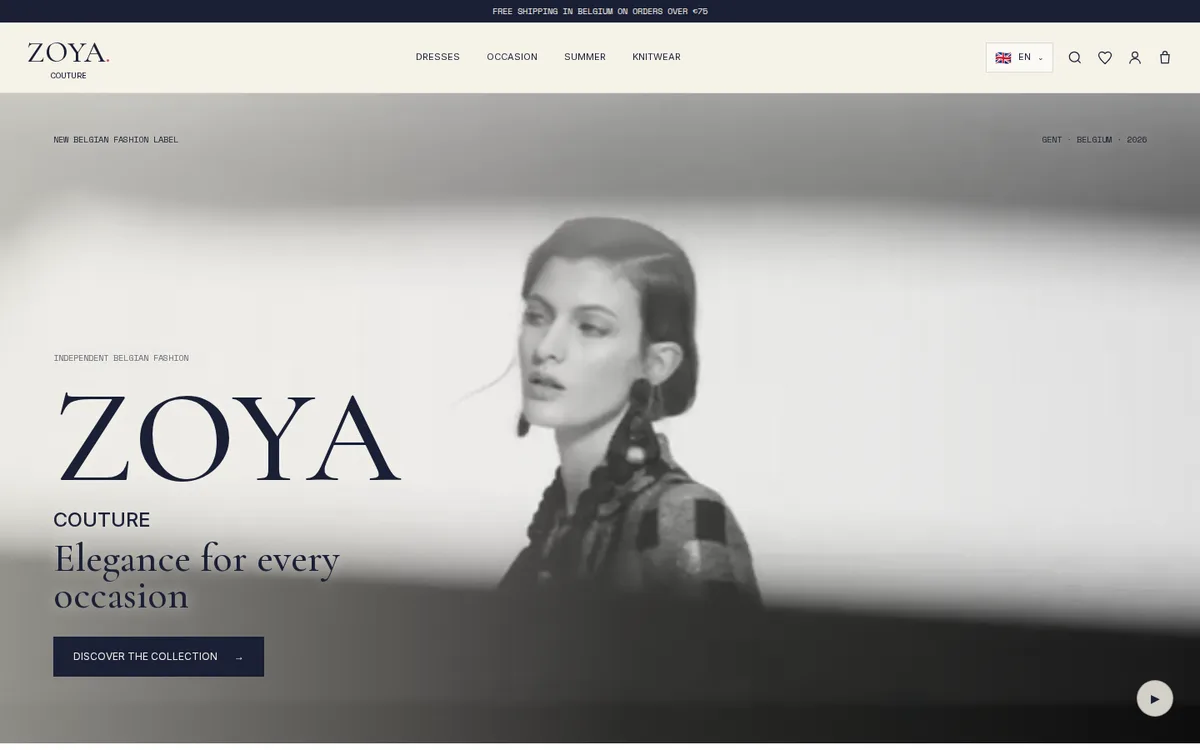
The online store, whether built on Shopify, WooCommerce or your own platform, should read stock from the ERP and write orders back to it. An order placed at midnight reserves the item, is picked from the warehouse or the nearest shop in the morning, and shows up in that location's report. Operix built Raah Fits, an online store for a Karachi streetwear brand with its own admin for products, orders and customers, and Zoya Couture, a Belgian fashion label's store in Dutch, French and English with collections, wishlist, customer accounts and checkout. Both show the online half of the picture; the ERP joins it to the shops.
Seasons: Ramadan, Eid, DSF and weddings
- Tag every style with its season and collection, so end-of-season markdowns apply to the right stock per branch.
- Pre-orders for Eid and wedding pieces reserve stock before it lands, with a deposit recorded against the customer.
- DSF promotions are set once at head office and switched on in every shop and online at the same hour.
- Staff targets per shop follow the season, and the owner compares branches on one screen.
ERP for fashion retail in Dubai, or just a POS?
A single boutique in Satwa or Meena Bazaar with one counter and no online store needs a POS with a matrix, not an ERP. The ERP becomes necessary when there are several shops, a warehouse, an online store and a buying team ordering from abroad. The line between the two is drawn in retail POS versus ERP.
Fix the size and colour lists
One agreed list of sizes per category and one list of colour names, before any style is entered.
Code every style and variant
A style code per design and a barcode per size and colour; print labels for stock that has none.
Count every location on one day
Both shops, the warehouse and online reserved stock, counted together so the opening stock is one snapshot.
Export customers from every source
The online store, the loyalty sheet and the WhatsApp broadcast list, merged by phone number.
Write the return and exchange rules per channel
Online return in shop, shop return online, exchange across sizes; the ERP applies what you decide.
Run one promotion on the new system first
A small Eid or mid-season offer before DSF, so staff trust the discounts and reports.
Where Operix stands
Operix Systems builds ERP software for Dubai and the UAE remotely from Karachi, one hour ahead of Dubai. We have no office in the UAE and no UAE fashion client to name; the fashion stores you can inspect are the two above. Book a demo with one style, its sizes and colours, and one return that went wrong.
Questions people ask
Can the ERP handle sizes and colours?
Yes. Each style has a matrix of colours and sizes, every variant has its own barcode and stock, and purchase orders are entered in the same matrix.
Can a customer return an online order in the shop?
Yes. The shop finds the online order, exchanges or refunds against it, reverses the VAT and moves the stock to that branch, in any location you choose to allow.
Does it connect to Shopify or WooCommerce?
Yes. Stock is published to the online store and orders come back into the ERP, so the website never sells an item the shops have already sold.
Do you have an office in Dubai?
No. Operix works from Karachi, one hour ahead, and delivers UAE ERP projects remotely with video-call discovery, weekly releases on your own data and support on one WhatsApp number.
Is this an ERP or a POS?
Both work together. The POS is the counter in each shop; the ERP behind it holds the matrix, the stock across locations, the customers, the buying and the VAT report.