
A purchase officer at a large company has your name from a referral, a tender list or a Google search. Before they call, they open your website to decide whether you are a company or a WhatsApp number with a logo. The check takes minutes, is never mentioned in the call that follows, and decides whether the call happens at all. A B2B company website is built for that check first and for everything else second.
Selling to shops and to the public from the same company? B2B and B2C website design in Pakistan shows how one site serves both.
What the buyer is checking
The questions are practical and a little suspicious, because the buyer carries the risk of a supplier who disappears mid-order. In rough order:
- Is this a registered company? A legal name, an NTN or trade licence number, and a street address that exists, not only a form.
- Where are they and who runs it? An office address with a map, and named directors or managers with photographs and roles.
- Have they done this before? Real projects with the type of work, the sector and, where permitted, the client's name.
- Can I buy from them under my rules? Terms, payment terms, warranty and returns, privacy, quality certifications, and whether they invoice with sales tax.
- Will they answer? A phone that is picked up, a stated response time, and an email on the company's own domain rather than a free one.
- Are they still trading? Dated articles, recent projects, and a copyright year that is current.
The pages that do the vetting
| Signal | Where it lives | What weakens it |
|---|---|---|
| Legal identity | Footer and About page: registered name, registration or licence number, NTN | A brand name only, with no registration details |
| Address | Contact page with a map and a photograph of the premises | A post box, a shared-office address, or none |
| People | Team or leadership page with names, roles and photographs | Stock photos, "our team of experts", no names |
| Track record | Project pages with sector, scope and the client where allowed | "Trusted by leading companies" with no detail |
| Policies | Terms, payment terms, warranty, privacy, quality | Missing pages, or pages copied from another site |
| Reachability | Stated hours, response time, phone, domain email, WhatsApp | A form only, and a free email address |
| Currency | Dated articles, recent projects, current copyright year | Last post long ago, "coming soon" sections |
What makes a site look like a template
Buyers see hundreds of supplier sites and have learned the tells. Stock photographs of handshakes and hard hats. A hero line that could belong to any company ("your trusted partner in quality solutions"). A services page that lists everything from construction to IT. A testimonials strip with first names and no company. A blog with two posts from the launch month. None of these is a lie, and all of them say the company has not decided what it is. The fix is specificity: real photographs of the premises and the work, named people, a list of what you do and do not supply, and project pages with detail a buyer can verify.
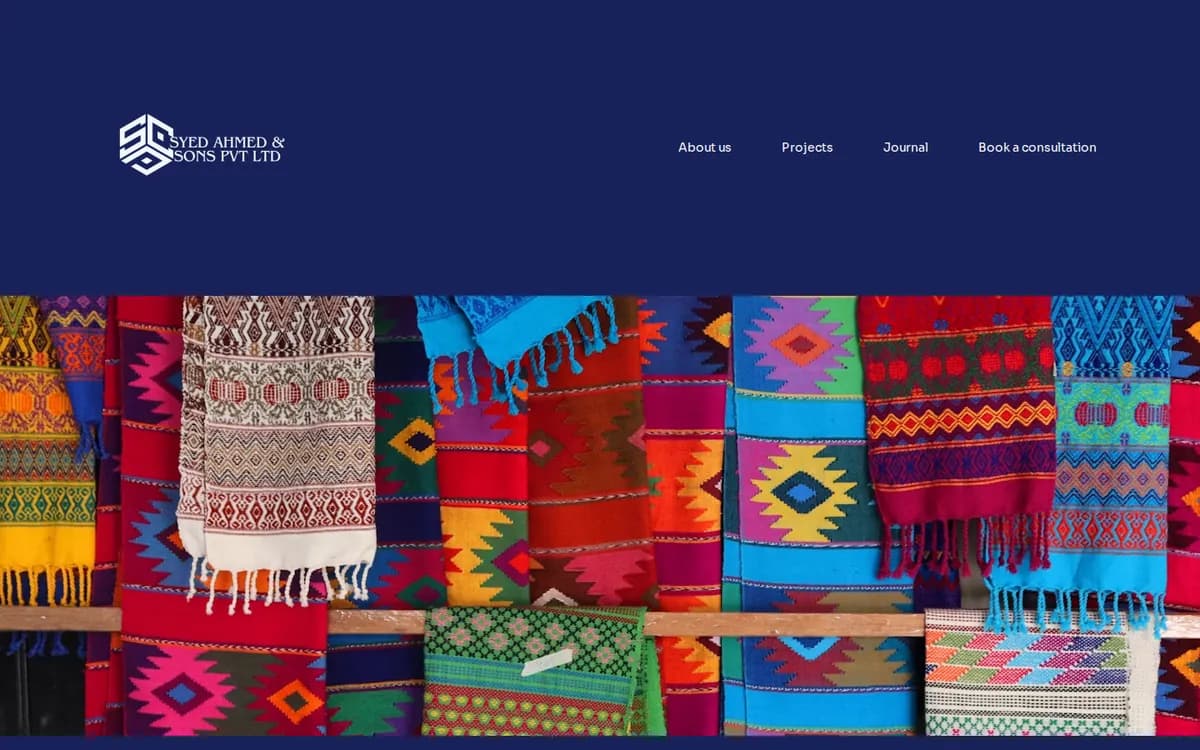
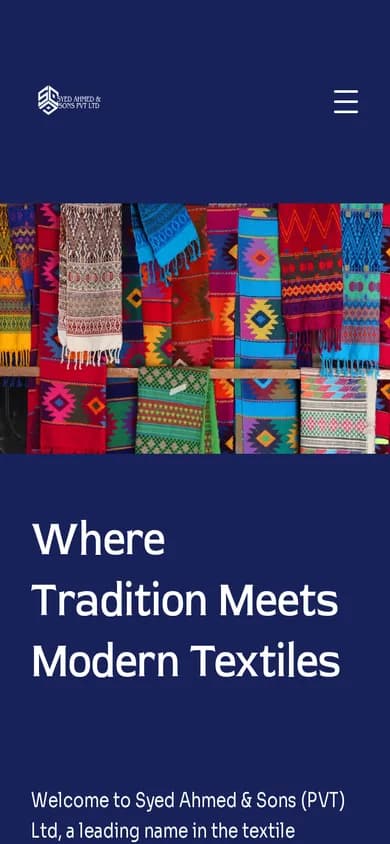
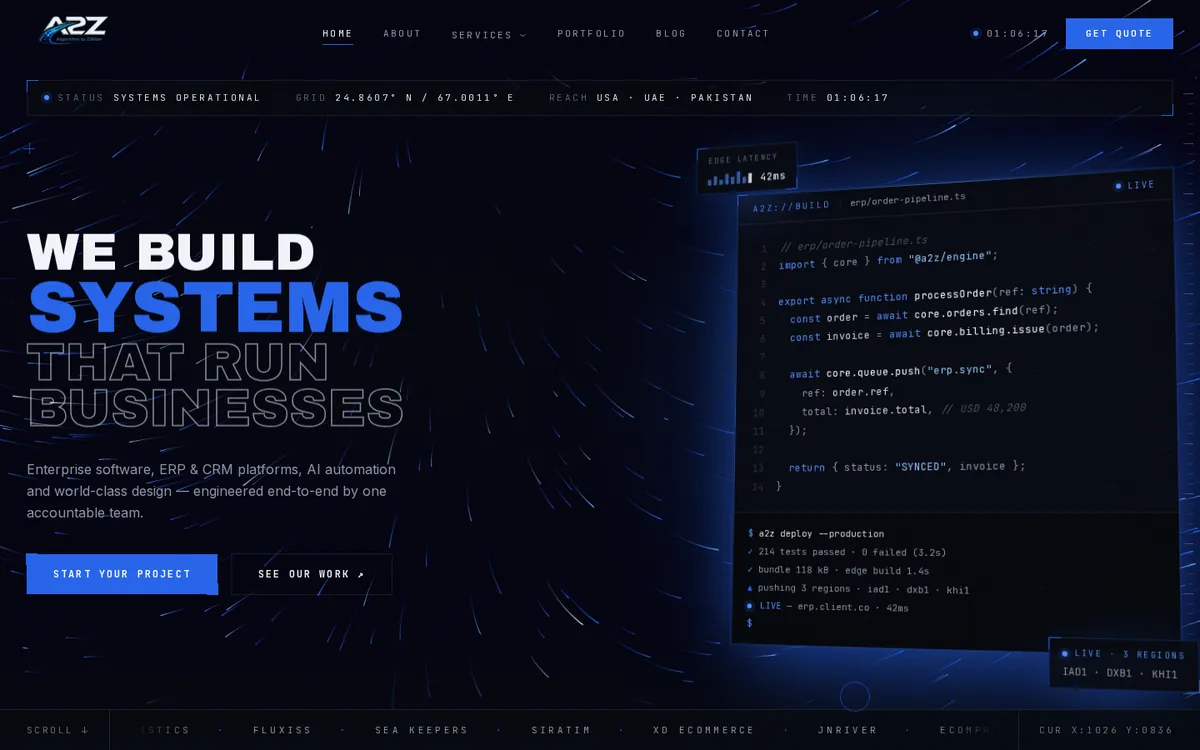
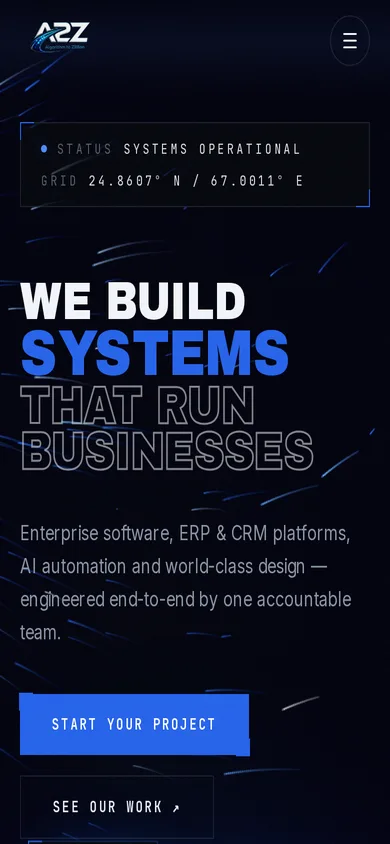
The Syed Ahmed & Sons website is built on this basis: a corporate site for a Karachi textile company that presents its products and capabilities to buyers. The A2Z Pvt Ltd site does the same for a software company, with service, location and blog pages built for search. Specialist firms face extra checks; our guide to engineering consultancy websites covers standards, software and registrations.
Being found before being checked
Most of these buyers do not come through a referral. They search for the product or service with the city or country, and the sites with one page per product line, written in the terms a procurement officer uses, are the ones they find. That is ordinary SEO work: one page per offer, plain titles, and the registration and address details marked up so Google can read them. If the site is being rebuilt to add those pages, keep the old addresses working; our guide to redesigning a website without losing search rankings explains how.
What happens after the enquiry decides the deal
A corporate enquiry is usually a request for quotation with a specification attached. It should land with a named person, be acknowledged the same working day with the name of whoever is handling it, and be answered with a written quotation on company paper that repeats the buyer's reference number. If the quote needs a site visit or a sample, say so in the acknowledgement. Log the enquiry somewhere other than one person's inbox, so that a follow-up a month later does not start from zero; a simple CRM or a shared sheet is enough at the start.
Many Karachi suppliers lose corporate business here rather than on the site. The buyer's second email, asking for a revised quote, goes to someone on leave, and the order goes to the firm that replied.
A short order of work
- Put the registered name, licence or NTN and full address in the footer of every page.
- Replace stock images with photographs of the premises, the work and the people.
- Write one page per product line or service with the detail a buyer can verify.
- Add terms, payment, warranty and privacy pages in plain language.
- Route enquiries to a named person and state the response time on the contact page.
Our web development service builds corporate sites around these checks, with every page shown before it is built. Book a call and send the link to your current site; we will tell you which checks it passes today.
Questions people ask
What should a B2B company website include?
The registered name and licence or NTN, a full address, named people with roles, one page per product line or service, verifiable projects, and terms, payment, warranty and privacy pages. Add a stated response time and a domain email so the buyer knows an enquiry will be answered.
Do corporate buyers really read the About page?
Yes, and the footer. They are looking for who owns the company, where it is and whether it is still trading. An About page that names the directors and shows the premises answers in seconds; one that says "we are a leading provider" answers nothing.
Should we show prices on a B2B website?
Usually not, because corporate pricing depends on volume, terms and specification. Show the product range, the units and the minimum order where it applies, and make the quotation request easy. State what the buyer should send so the first reply can be a quote rather than a question.
Can we put client logos on the site?
Only with permission, and a logo strip without context says little. A project page that describes the sector, the scope and what was delivered is stronger, and it can be written without naming the client where the contract requires that.
Does the website need to be in Urdu as well?
For most corporate buyers in Pakistan, English is enough, because procurement works in English. Add Urdu if your buyers are smaller trade customers who prefer it, and keep both versions complete rather than leaving the Urdu one half translated.