
A tools importer in Saddar sells to hardware shops by the carton and to the public by the piece. A Faisalabad mill supplies garment factories and runs its own retail brand. A Multan distributor takes bulk orders from stores and home deliveries from consumers. Each needs one website that serves two buyers who want different things, without either feeling they have landed in the wrong shop. A B2B website for corporate buyers covers the pure trade site; this guide is about running both on one site.
What each buyer expects
| Consumer | Trade buyer | |
|---|---|---|
| Looking for | The product, its price, when it arrives | A supplier, a range, terms |
| Price | Fixed and visible | By tier or quantity, often after an account or a quote |
| Quantity | One or two | Cartons, dozens, minimum order quantities |
| Action | Add to cart, pay | Request a quote, open an account, reorder |
| Payment | Cash on delivery, cards, JazzCash, Easypaisa | Bank transfer, credit terms, cheques |
| Delivery | Courier to the door, tracked | Scheduled dispatch by weight, or pickup |
| Trusts | Reviews, returns policy, a WhatsApp number that answers | Registration, tax status, references, brands you are authorised for |
One catalogue, two prices
The expensive mistake is two websites, or two product lists on one site, maintained by two people until they disagree. Keep one catalogue and one stock figure. A visitor sees retail prices and a cart. A signed-in trade customer sees their own price list, pack sizes, minimum quantities and a reorder button. It is the same product page with different prices and a different button, which also means one URL per product for Google instead of two pages competing with each other.
A home page that sends each visitor the right way
Within the first screen, a clear route for shoppers and a clear route for trade: 'Shop' and 'Wholesale', or 'Buy' and 'Become a stockist'. The trade route lands on a page that says who qualifies, the minimum order, payment terms, delivery arrangements and how to apply, and ends in a short form. The retail route goes straight to categories and offers. A visitor who picks the wrong door should be able to switch in one click.
Payments and delivery in Pakistan
The consumer side needs cash on delivery beside cards, JazzCash and Easypaisa, because a large part of online buying in Pakistan is still paid at the door. Orders go out through couriers such as TCS, Leopards and M&P, with the tracking number sent by SMS or WhatsApp. The trade side rarely pays online: an order is confirmed against a bank transfer or agreed credit, and dispatch is planned by weight and route. Build what each side actually does. A wholesaler forced through a retail checkout, or a consumer offered 30-day terms, both learn that the site was not built for them.
What makes each side trust you
- Consumers: your own product photographs, honest stock status, a returns and exchange policy, reviews where you have them, and a WhatsApp number that replies in business hours.
- Trade buyers: the legal name, registration and sales tax status, a physical address with a map, the brands you are authorised to distribute, and the names of retailers or institutions you already supply where they allow it.
- Both: an about page with real people and a phone number that is answered.
Being found for product searches and supply searches
Consumers search for the product and the city: a brand, a model, 'price in Pakistan'. Trade buyers search for the supply: wholesale, distributor, importer, bulk, usually with a city. The retail pages carry the product terms, the trade pages carry the supply terms, and neither tries to carry both. Google Business Profile matters to both audiences; local SEO in Karachi explains what to fix first.
Stock behind the site: POS or ERP
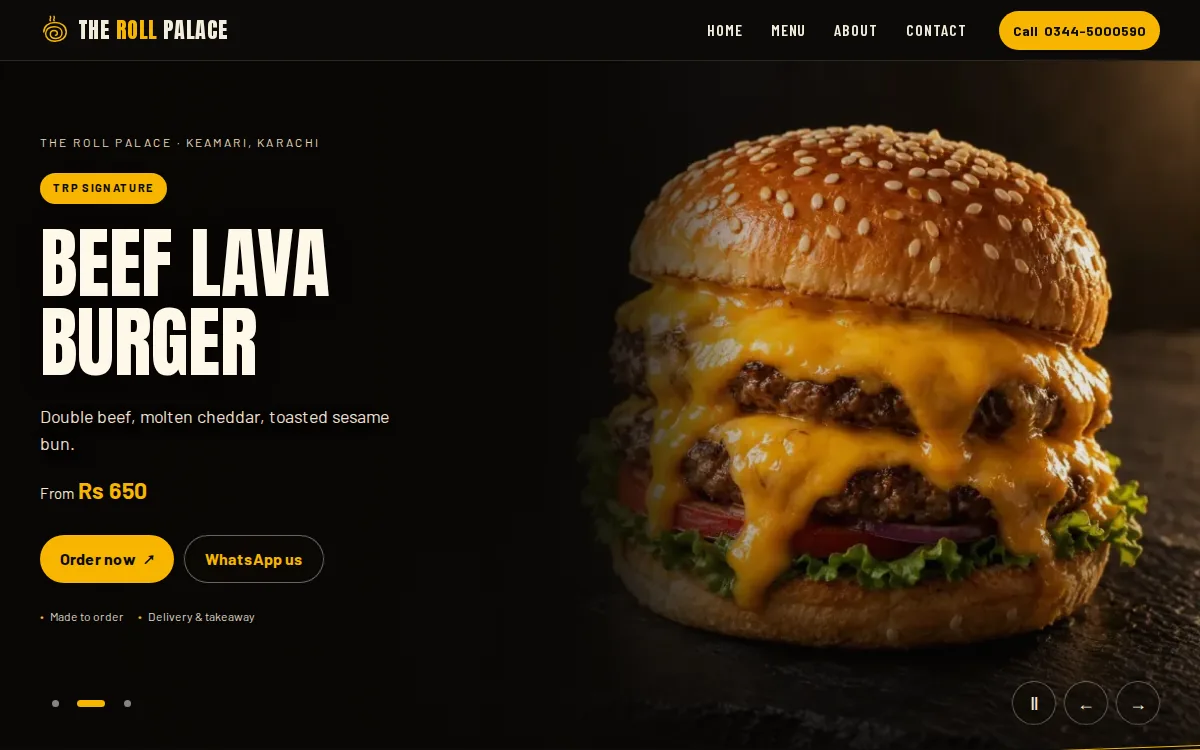
A hybrid site is only as reliable as the stock figure behind it. If the warehouse sends a carton to a shop and the site still offers those pieces to consumers, the first complaint arrives the same day. Stock and trade price lists should live in one system, the POS or the ERP, and the website should read from it and write orders back. The Roll Palace site sends web orders to the same order board as the counter; the same idea applies to a wholesaler's trade orders.
List both customer types
What each buys, in what quantities, how they pay and how the goods reach them today.
Decide what trade buyers see before approval
Usually the range and specifications; prices and ordering after a short application.
Pick one source of stock and prices
The website's own inventory, the POS or the ERP, and how often it syncs.
Write the trade terms page
Who qualifies, minimum order, payment terms, delivery and how to apply.
Set up measurement for both
Retail orders and trade enquiries as separate goals, with WhatsApp and call clicks counted.
What it costs
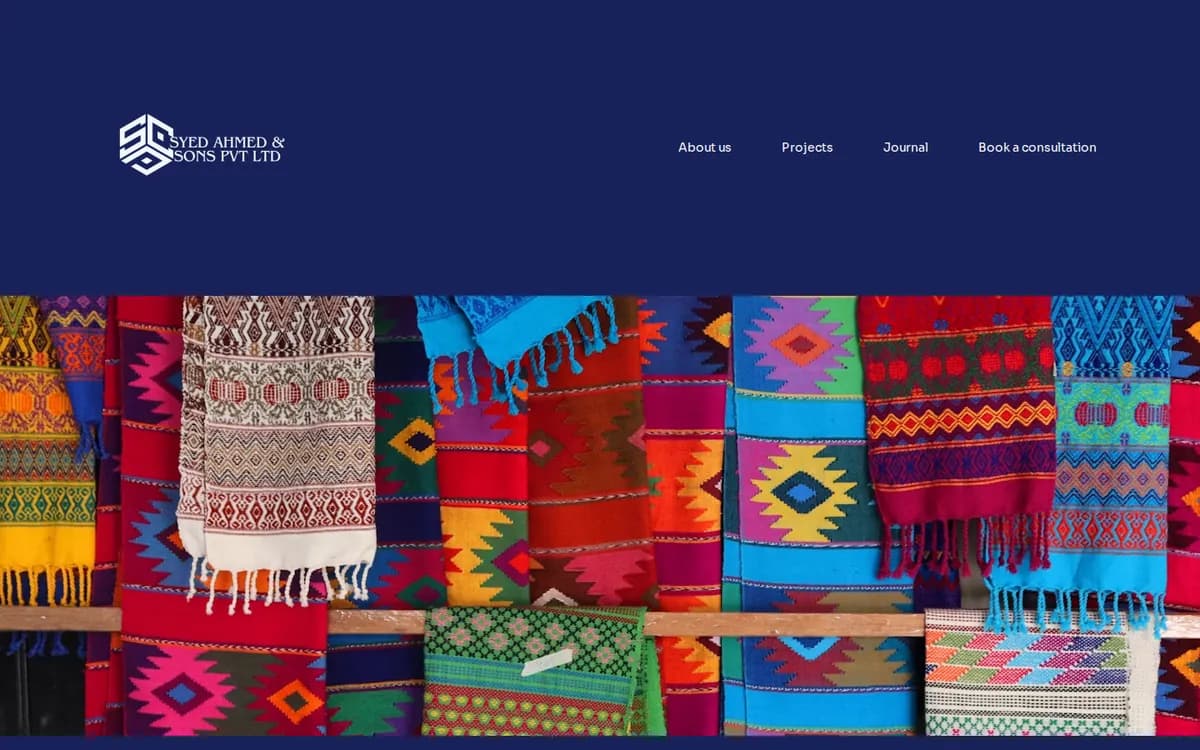
A combined site costs more than a retail store alone, because of accounts, price lists, quotation requests, minimum quantities and reorder tools, and far less than two sites maintained forever. Our pricing page shows where websites start; the trade features are scoped on top. We build these from Karachi for manufacturers, importers and distributors across Pakistan: see web development for Pakistan, the Syed Ahmed & Sons corporate site for the trade side and RAAH Fits for the retail side, or tell us who buys from you.
Not sure which side to build first? B2B or B2C website first? answers that and the questions about trade prices, quotes and stock.
If the trade side needs dealer logins, customer-specific price lists and credit limits, see B2B ecommerce website: an ordering portal for dealers and distributors.
Questions people ask
Should B2B and B2C be on one website or two?
One website with two journeys, unless the two businesses have different brands or legal entities. One catalogue and one stock figure are easier to run and rank better than two sites competing for the same products.
Can trade customers see prices without an account?
That is your call. Most Pakistani wholesalers show the range and specifications publicly and reveal prices after a short approval, because trade prices are negotiated and competitors read websites too.
Do trade buyers in Pakistan actually order online?
For repeat orders, yes, once the site holds their price list and a quick reorder tool. First orders usually start with a call or a WhatsApp message, so the site has to make that easy as well.
Does the site need Urdu?
Consumer pages for a mass-market audience can benefit from Urdu or Roman Urdu. Trade pages stay in English, which is how specifications and invoices are written in Pakistan.