
Two quotes arrive for the same system. One is far higher than the other. Neither explains itself beyond a list of modules and a total. The owner of a distribution house in Karachi or a factory in Faisalabad is left to guess whether the cheaper one left something out or the dearer one padded it. This guide takes a custom software quote apart so you can see what you are paying for. Starting prices are on our pricing page; here we explain what moves them.
What a quote is made of
Whatever the system (ERP, CRM, POS, an app or a portal), the work falls into six parts. A quote that does not show them separately is hiding where the money goes.
- Discovery. Sitting with the people who do the work, following an order or a job from start to finish, and writing down what the system must do. Cheap to do, costly to skip.
- Screen design. Every screen drawn and agreed before it is built, so changes happen on a drawing rather than in working code.
- Build. The screens, the rules behind them, the reports, the logins and permissions, released in parts you can try on your own data.
- Data migration. Moving items, customers, suppliers, opening stock and balances out of Excel or the old system, and cleaning them on the way.
- Training. Teaching each role on the live system, in Urdu or English, branch by branch.
- Support. Fixes, questions and small changes after go-live, usually a monthly amount, and the hosting the system runs on.
Each part is priced on its own size. Build is usually the largest line, but migration and training surprise owners most often, because they depend on how messy the old records are and how many people need teaching.
What pushes the cost up and what keeps it down
| Drives cost up | Keeps cost down |
|---|---|
| Scope described as "everything we do", with no list of screens | A written list of the screens and reports in phase one |
| Many integrations: bank, courier, FBR, accounting package, website, each with its own testing | One or two integrations in the first phase, the rest once the core is in daily use |
| Every branch or department wanting its own version of the same screen | One agreed process, with branch differences handled by settings |
| Decisions changed after screens are built | Decisions made on the drawings, by one person who can say yes |
| Old data in many sheets with duplicate names and mixed units | Clean lists prepared before migration starts |
| Building from nothing what already exists as a module | Starting from modules already built and changing only what is particular to you |
| Several people signing off, each with a different opinion | One decision-maker on the client side |
| Reports nobody has specified, added at the end | The five reports the owner actually reads, named in the quote |
The four things that inflate a quote most
Unclear scope comes first. A system for the whole business cannot be priced, so the vendor either guesses high to protect itself or guesses low and recovers the gap later. Integrations come second; each outside system (a bank, a courier, FBR's POS service, an accounting package) is its own small project with its own testing. Third is every branch wanting something different, which turns one screen into five. Fourth is changing decisions late: a change on a drawing takes an hour, the same change in a built and tested screen takes days, and the quote has to allow for it.
The four things that lower it
Start with one cycle: selling, or buying, or the one job that is typed twice today. Use modules that already exist, and pay only for what is particular to your business. Bring clean data: one item list, one customer list, duplicates removed, before migration is quoted. Name one decision-maker who attends the design sessions and signs off the drawings. The first phase of an ERP, a website or an app looks different in each case; our guides to ERP software cost, website development cost and mobile app development cost each take one kind apart.
How milestones and payment usually run
Custom software in Pakistan is normally paid by milestones set out in the written quote, rather than all up front or all at the end. A usual pattern:
- A first payment when discovery starts, which covers the sessions and the written scope.
- A payment when the screen designs are approved, because the build cannot begin before that.
- One or more payments as working parts are released and accepted on your own data.
- A payment at go-live, after training.
- Support and hosting as a separate monthly or yearly amount, beginning after go-live.
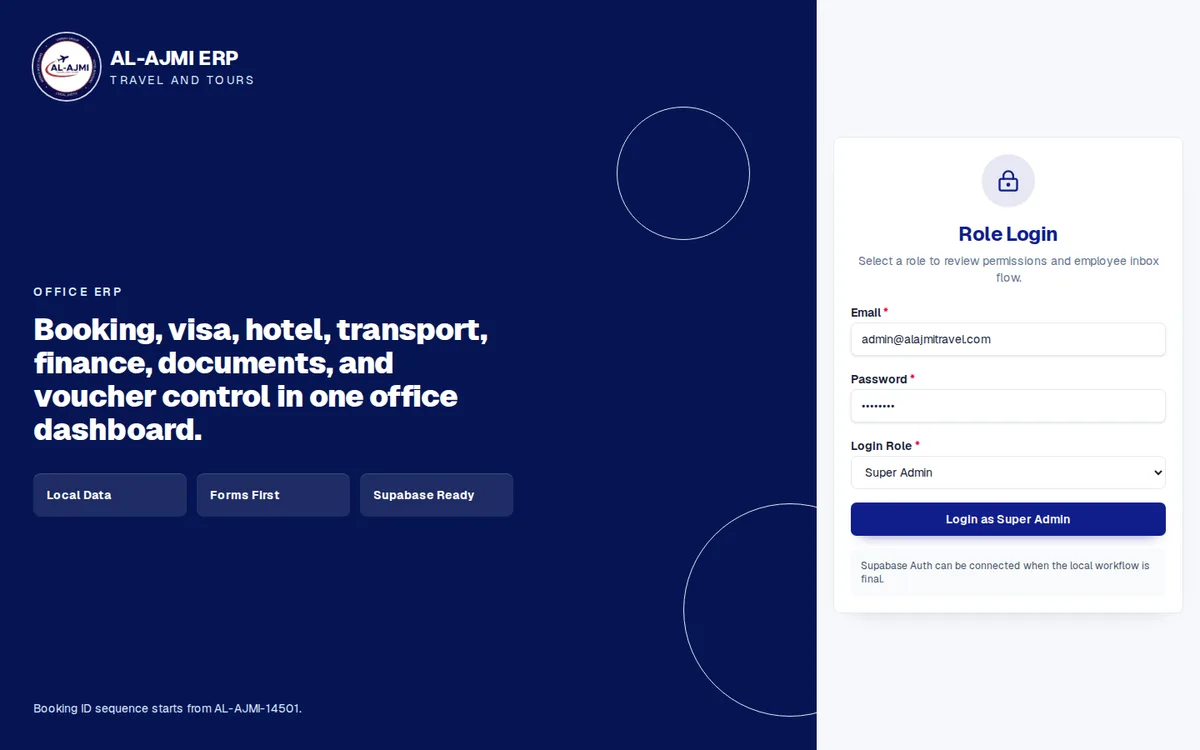
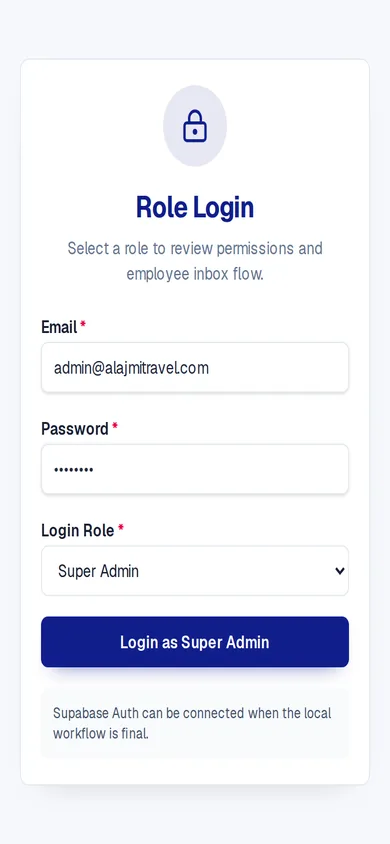
Each milestone gives you something you can see before you pay for it. If a quote asks for most of the money before you have seen a screen, ask why. If it asks for nothing until the end, ask how the vendor pays its staff in the meantime. This is how Operix prices ERP software in Pakistan; the Al Ajmi Travels office ERP, which covers bookings, visas, hotels, transport, finance, documents and vouchers in one dashboard, was built and paid for in phases of this kind.
How to compare two quotes
- List the screens and reports each quote includes. A lower total that covers fewer screens is not cheaper.
- Check whether migration and training are inside or extra.
- Count the integrations each includes, and ask what happens when FBR or the bank changes something.
- Ask what a change after design approval costs, and how it is agreed.
- Ask what the monthly support covers, and what it does not.
- Ask who owns the code and the data when the contract ends.
- Ask for a demo on your own data, not the vendor's.
Two quotes compared this way often come closer together than their totals suggest. The remaining gap is usually explained by one of the drivers in the table above.
When custom software is not the answer yet
If the business runs on one register and one owner, accounting software or a tidy spreadsheet is cheaper and good enough for now. If three people type the same order, the quote is worth reading. To get a written quote broken into the six parts above, book a demo and bring the list of screens you need.
Questions people ask
Why do two quotes for the same software differ so much?
Usually because they include different things. One may leave out data migration, training or an integration that the other counts in. Compare the lists of screens, reports and services before comparing the totals.
Is custom software cheaper than a ready-made package?
Not always. A package is cheaper on day one if it fits your process. Custom software costs more at the start and less afterwards when the fit is wrong, because nobody is paying for workarounds, extra sheets and features that go unused.
How are payments usually structured?
By milestones in the written quote: discovery, design approval, releases accepted on your data, go-live, then monthly support. Each milestone gives you something you can see before paying for it.
What is the cheapest way to start?
One cycle, on modules already built, with clean data and one decision-maker. Add the next part once the first is in daily use. That keeps the first quote small and the later quotes predictable.
Does Operix publish prices?
Starting prices are on the pricing page. The written quote for your project shows the six parts separately, so you can see what each part covers and compare it with any other quote on equal terms.