A software house in Lahore, a government contractor in Islamabad or a distributor in Rawalpindi usually comes to UI/UX design for the same reason: the system works, but people avoid it. Staff keep a parallel Excel sheet, customers drop off at checkout, or the new app gets one-star reviews because nobody can find the order button. Design is the fix for that, and it does not need the designer to sit in your city.
What does UI/UX design actually cover?
- Research: talking to the people who will use the screens: counter staff, salesmen, accountants or customers.
- Task flows: writing down each job step by step, such as booking an order or approving a payment, and removing the steps nobody needs.
- Wireframes: plain layouts that show what goes where, agreed before any visual style.
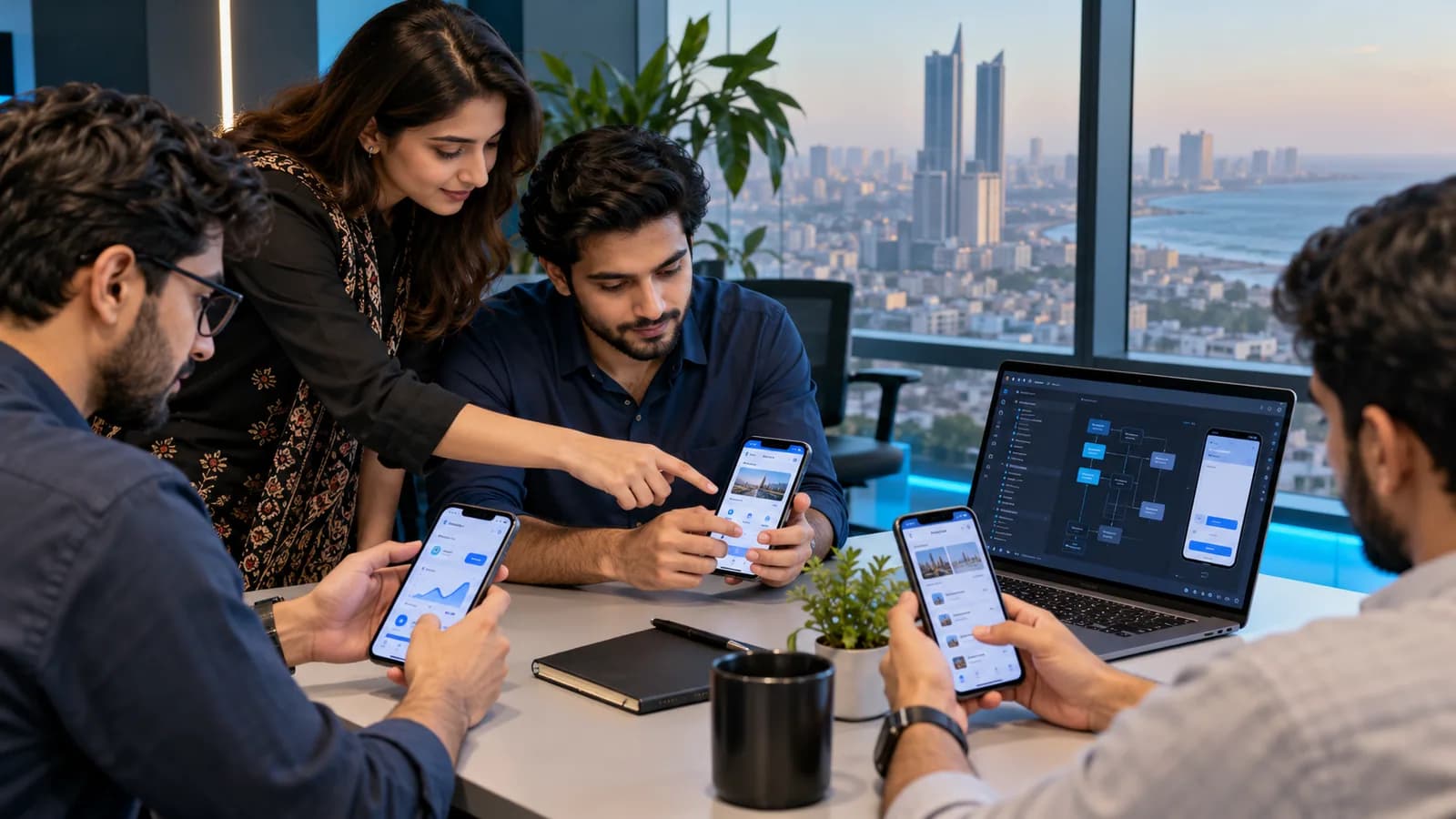
- Clickable prototypes: screens you can tap through on your own phone or laptop, used to test with real staff.
- Design system: buttons, forms, tables and colours defined once, so every new screen matches.
- Handover: files and notes developers can build from without guessing.
UI is how the screens look. UX is whether people can finish their task without help. A beautiful dashboard that needs a training manual has good UI and poor UX.
How does a Karachi design team work with Lahore, Islamabad and Rawalpindi?
Our office is on I.I. Chundrigar Road, Karachi. For clients in other cities the work runs online, and in practice that rarely slows anything down, because most design feedback happens on screens anyway.
Kick-off call
A video call with the owner and the people who use the system, to list the tasks that matter most.
Screen-share sessions
Staff show how they do the job today, on their own computers, so we see the real workarounds.
Wireframes and prototype
We send a clickable link; your team taps through it on their phones and leaves comments.
Recorded walkthroughs
Short screen recordings explain each change, so people who missed the call can still review.
Sign-off and handover
Every screen is approved before development, by our team or yours.
What changes by city?
| City | Typical brief | What the design has to handle |
|---|---|---|
| Lahore | Retail and fashion stores, software products, textile and manufacturing dashboards | Busy product catalogues, Urdu and English labels, mobile checkout |
| Islamabad | Service companies, consultancies, startups and portals | Forms, sign-ups and dashboards that read clearly for officials and corporate buyers |
| Rawalpindi | Distributors, trading businesses and local service firms | Order booking, stock and recovery screens used on phones by field staff |
| Karachi | Everything above, plus on-site sessions at your office | See UI/UX design agency in Karachi |
How do you judge a UI/UX design company in Pakistan?
Ask to see screens that are in use, not only concept shots made for a portfolio. Ask who they spoke to before designing. A designer who asks about your users, your slowest task and the phones your staff carry is doing UX. One who opens with colour palettes is doing decoration.
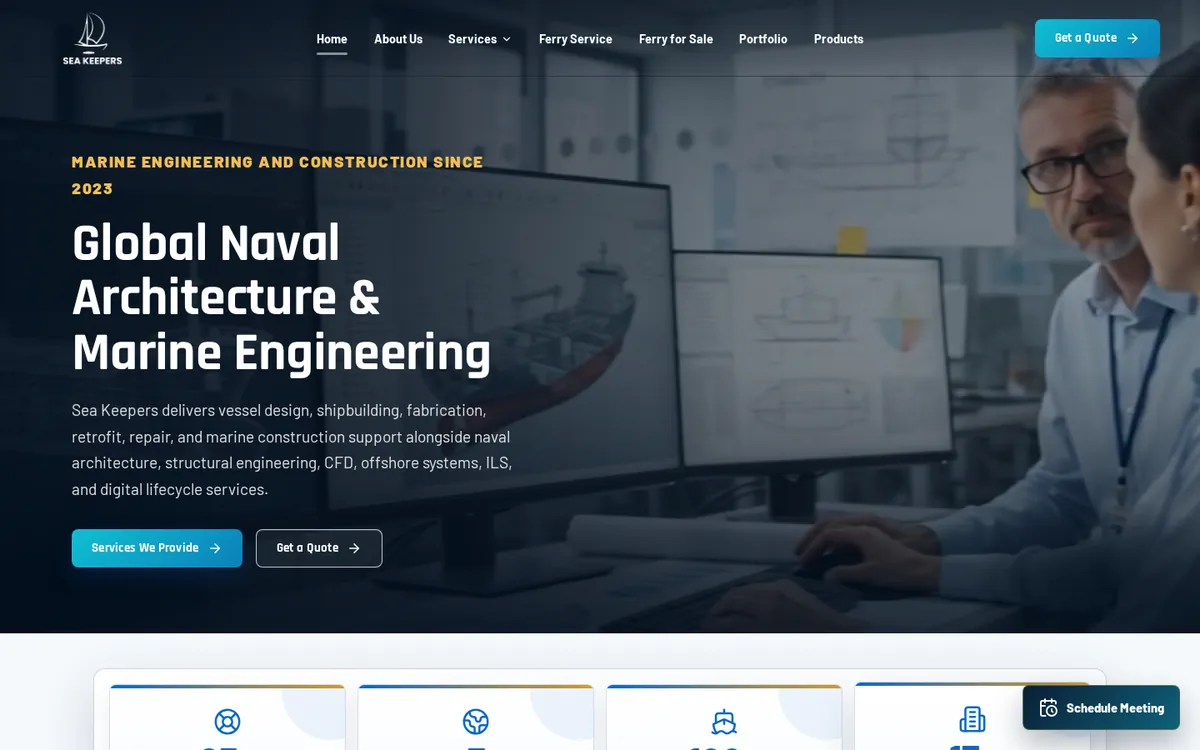
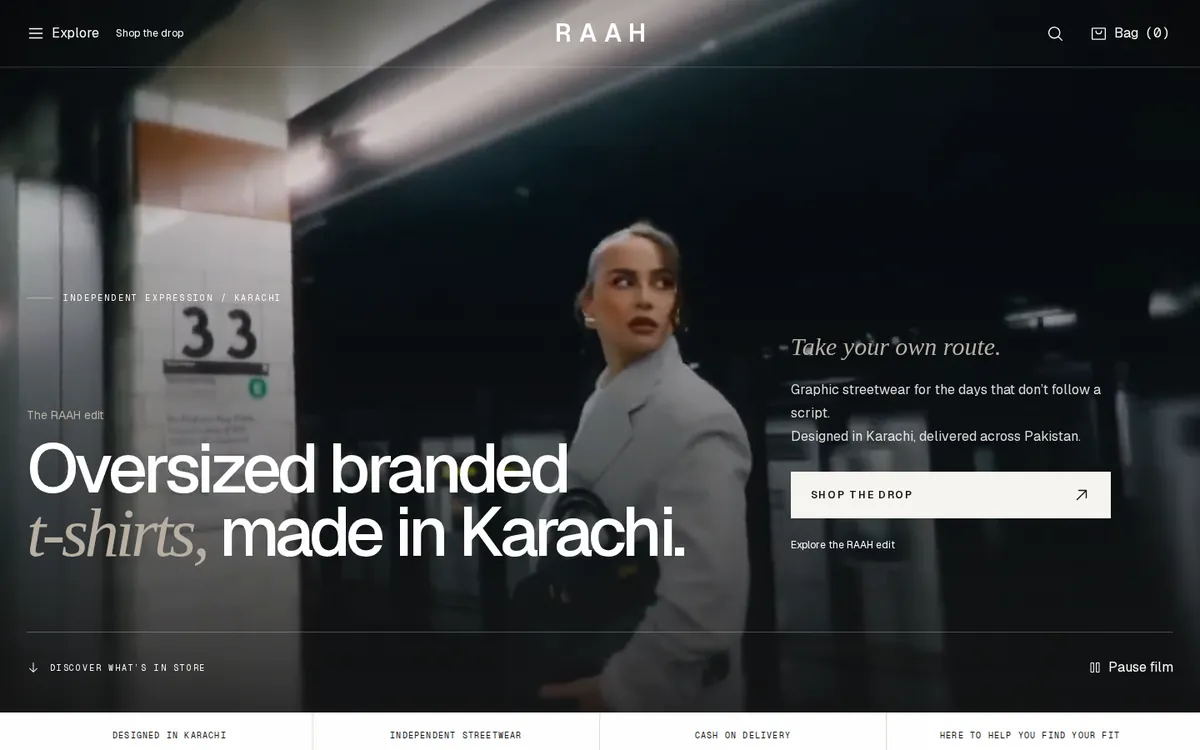
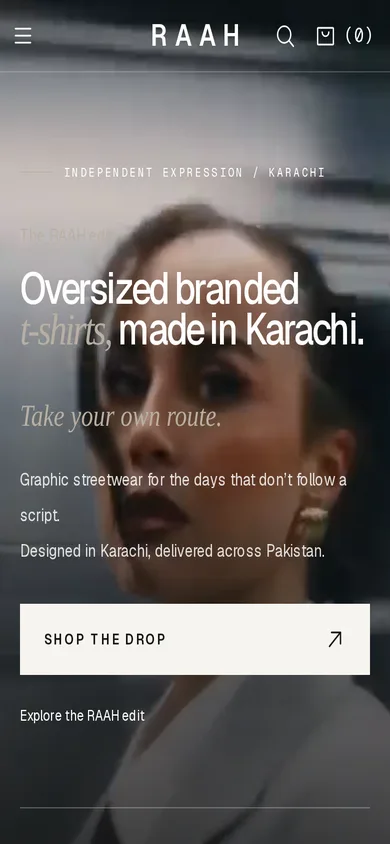
Our own screens are in use every day: the Sea Keepers operations system and the RAAH Fits online store were both designed before a line of code. The full service is described on UI/UX design services in Pakistan.
You may not need a separate design project. For a small business website with a few pages, design is part of the build. A standalone UI/UX project pays off for software, apps and stores where people repeat tasks every day.
Websites and apps in the same cities
If you need the website or app built as well, see web design in Pakistan by city. To talk through your screens, send us a message and we will set up a call.
Questions people ask
Can you design for us if we are in Lahore or Islamabad?
Yes. Sessions run on video calls and screen shares, prototypes are shared as links, and feedback comes on the same WhatsApp number as Karachi clients.
Do you only design, or also build?
Both. We can hand designs to your developers or build them ourselves as a website, app or business system.
Can you redesign software we already use?
Yes, if we can see it in use. We start by watching your staff use the current screens and fix the slowest tasks first.
Do you design in Urdu?
We design for Urdu and English labels, and right-to-left Arabic when a product is sold in the Gulf.