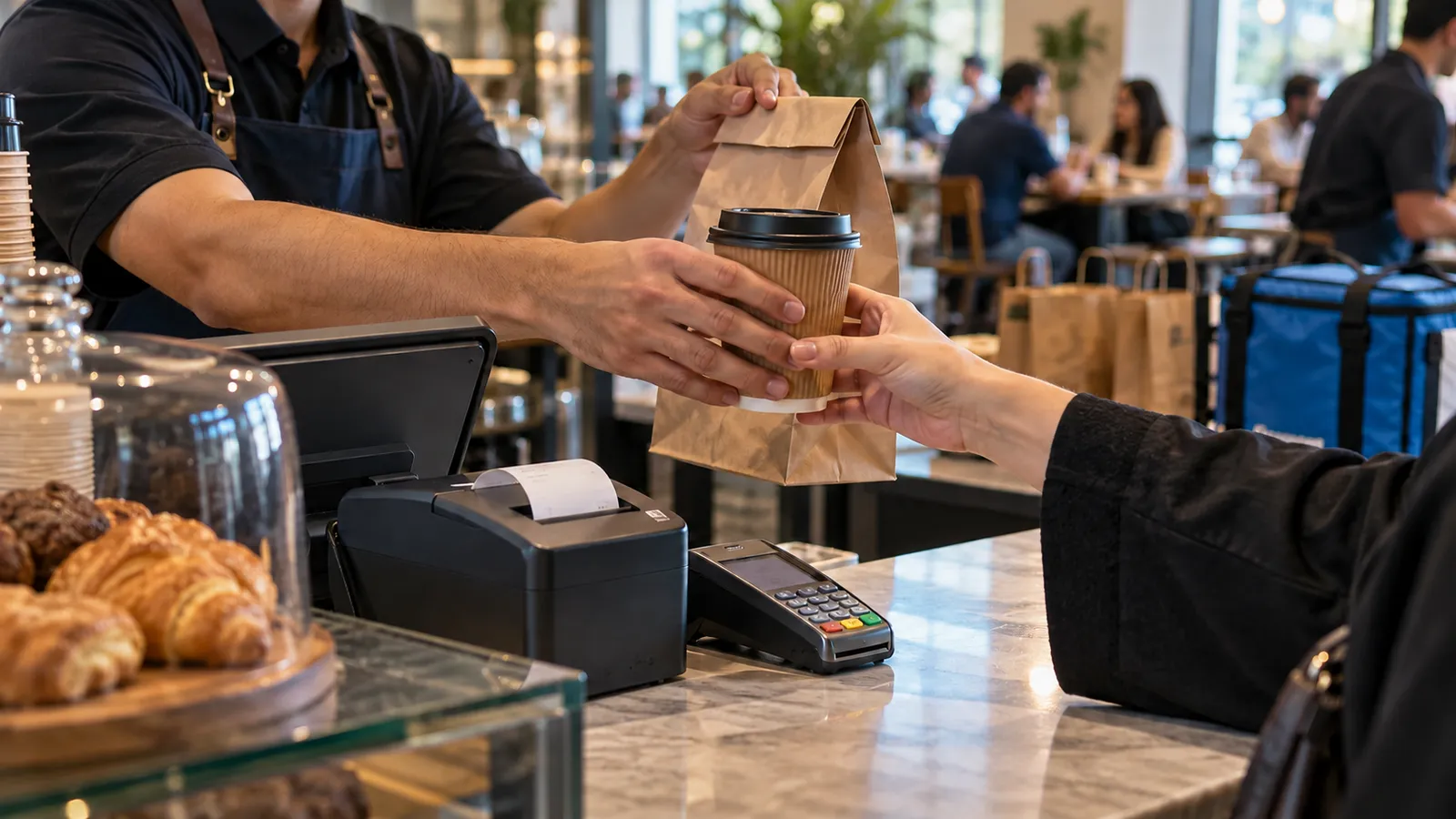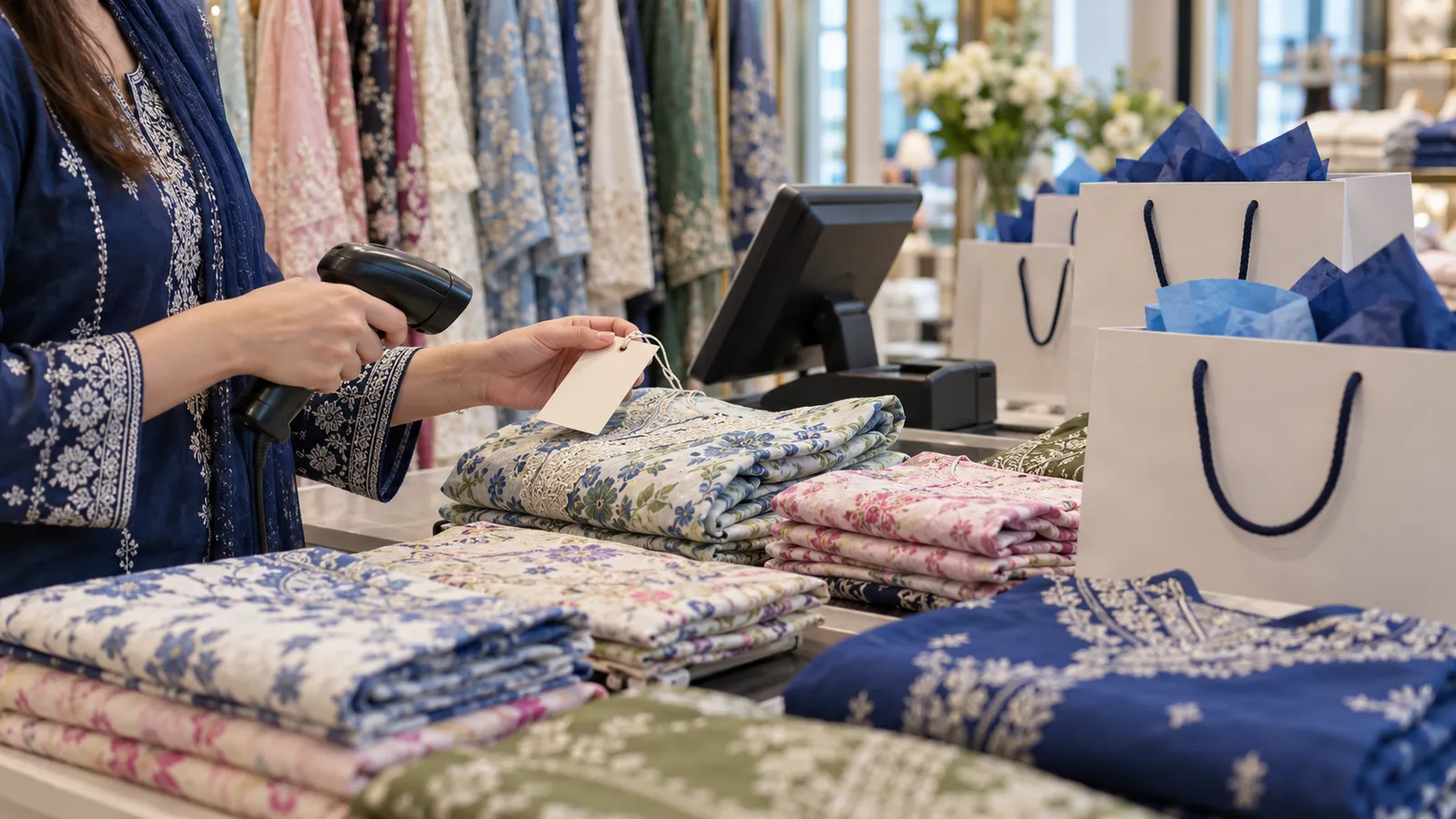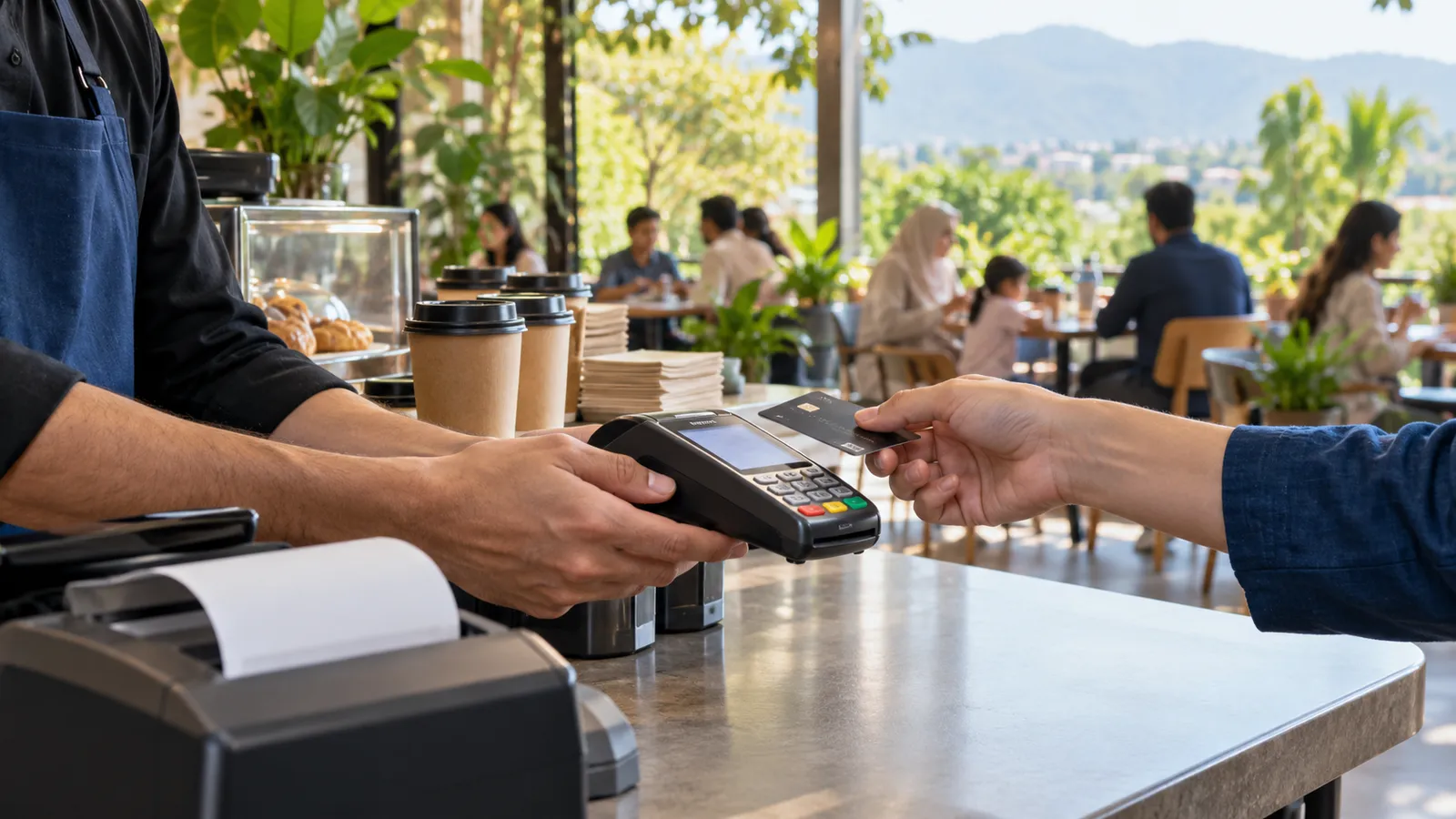

A café on Tahlia Street, a shop in Red Sea Mall or Mall of Arabia, a family restaurant on the Corniche and a small trader in Al Balad all sell to the same mix of people: Jeddah residents, visitors from across the Kingdom, and pilgrims who land at the airport or arrive by sea and spend a day or two in the city before Makkah. The counter is quiet in the afternoon, busy after Maghrib, and in Ramadan it hardly closes. A POS bought for a shop that shuts at sunset struggles here.
Jeddah's year has two peaks
Ramadan turns the day upside down. Shops and cafés open late, trade after iftar and stay open until suhoor, so a shift can start after Isha and end after dawn. The Hajj season brings pilgrims in groups, often with a group leader who pays for everyone on one card, and gift, dates and perfume shops sell in a few weeks what they otherwise sell in months. Between the two sit the summer holidays, when families from Riyadh and the Eastern Province come to the Corniche. What this means for the software:
- A business-day cut-off that keeps a night shift on one date, so the Ramadan cash count makes sense.
- Temporary staff logins that can sell but cannot discount, void or refund without a manager's PIN.
- Season price lists and menus that switch on at a date and switch off again after Eid.
- Stock counts before and after each peak, so you know what the season really sold.
Receipts, VAT and the ways people pay
Every sale is a simplified e-invoice with a QR code and 15% VAT, as ZATCA's FATOORA rules require. The POS generates it; nobody types it later. Payments in Jeddah arrive as mada, Apple Pay, STC Pay, cards from abroad and cash, and each should be a separate method on the receipt and a separate line at closing, so the bank settlement and the till can be matched. Returns are made against the original receipt. Which integration wave applies to your business is a question to confirm with your tax adviser. Our guide to POS systems in Saudi Arabia covers the country-wide rules in more detail.
What the counter faces, season by season
| Season | What changes at the counter | What to set up in the POS |
|---|---|---|
| Ramadan | Night trading, iftar and suhoor rushes, more takeaway | Business-day cut-off after dawn, Ramadan menu and hours, extra cashier logins |
| Hajj season | Group buyers, visitors paying with foreign cards, gifts and dates in volume | Receipts in Arabic and English, group bills, reorder alerts on season stock |
| Summer holidays | Families on the Corniche and in the malls, longer evenings | Table and queue management, delivery-app orders in the same queue |
| Rest of the year | Steady local trade, regulars who expect to be remembered | Customer records, loyalty, slow-moving stock reports |
Pilgrims at the till
A pilgrim buying dates in Al Balad or a prayer mat near the Corniche wants a receipt they can read and a price they can trust. Keep item names in Arabic and English, print both on the receipt, and make the total in SAR large and clear. Many pay by card from their home country, so the card terminal and the POS should record the same amount, and a refund should go back to the same card against the same receipt. Pilgrim groups are often served by a leader who settles for everyone, so a split bill and a group bill both help. The same counters serve the shops of Makkah and Madinah, and our POS guide for the two holy cities goes further into season stock and short-term staff.
Mall unit, street shop and Corniche restaurant
A unit in Red Sea Mall or Mall of Arabia trades mall hours, depends on the mall's internet and sees most of its sales in the evening. A shop in Al Balad has a small counter, more cash and a stream of walk-ins. A Corniche restaurant has tables, a family section, takeaway and delivery-app orders. The counter screen should be different for each, but an owner who runs all three should see them in one report, with stock that can move between them. Our guide to multi-branch business software explains how that works, and the restaurants page covers kitchen tickets and tables.
Count the stock
Do a full count in the week before, load the Ramadan items and set reorder levels for the ones that sell at night.
Set the hours and the cut-off
Enter the Ramadan opening hours and move the business-day cut-off to after dawn, so each night closes as one day.
Load the season menu or price list
Add iftar deals and Ramadan packs with a start and end date, so they disappear on their own after Eid.
Add the season staff
Create a login per cashier with sell-only rights; discounts and refunds need a manager's PIN.
Test every payment method
Run a test sale on mada, Apple Pay, STC Pay and cash, and check the e-invoice QR code on the printed receipt.
Run one dry shift
Switch the internet off for part of the test and confirm the counter keeps billing and syncs afterwards.
Where Operix stands
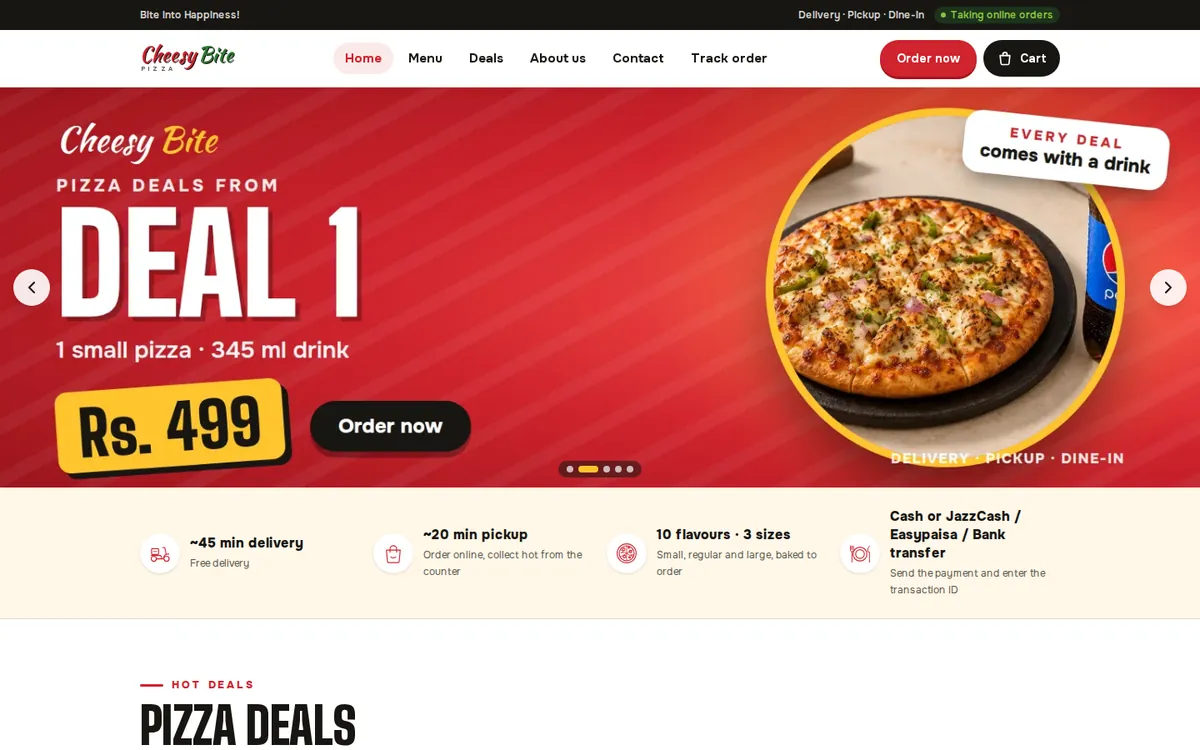
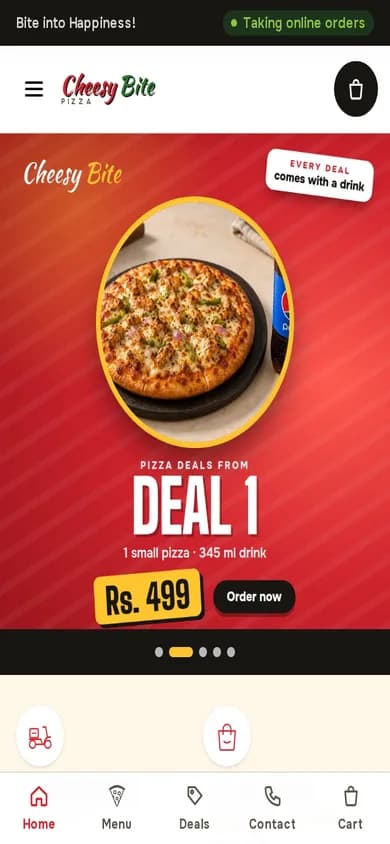
Operix Systems builds the POS system for Saudi Arabia from Karachi, two hours ahead of Jeddah, and delivers it remotely: discovery on a video call, every screen approved before it is built, weekly releases on your own menu and stock, training in Urdu or English, and support on one WhatsApp number. We have no office in Jeddah and no Saudi client to show yet. The restaurant system you can try is Cheesy Bite, a pizza restaurant's online ordering, staff dashboard and POS. Book a demo and tell us which street or mall you trade from.
Questions people ask
Does the POS print receipts in Arabic with the QR code?
Yes. Receipts print in Arabic, or Arabic with English, on a standard thermal printer, with the QR code and 15% VAT that a simplified e-invoice carries. Item names can be stored in both languages.
Can one system run a Tahlia Street café and a Red Sea Mall unit?
Yes. Each outlet has its own till, stock and staff, and the owner sees both in one dashboard. Stock can be transferred between them with a record at both ends.
Can Hajj-season staff be limited to selling only?
Yes. Roles decide who can sell, discount, void or refund. A temporary cashier sells; a manager's PIN is needed for anything else, and every action is logged under the person who did it.
Do you have an office in Jeddah?
No. Operix works from Karachi and serves Jeddah remotely, with video-call discovery, weekly releases and WhatsApp support. You buy printers and scanners locally and we configure them with you on a call.
Does billing continue if the mall's internet drops?
Yes. The counter keeps billing offline and syncs sales and stock when the connection returns. Reports at head office catch up at the same time.