A company searching for SEO in the Middle East is usually in one Gulf country and selling to several, or outside the region and entering it. In both cases the work is a set of campaigns: several countries, two languages, audiences that search differently. This guide sets out how to organise it. For the Arabic language itself, Arabic SEO in the UAE and Saudi Arabia and bilingual SEO in Dubai go deeper.
One region, several search markets
Google is the search engine that counts across the Gulf, but results differ by country because the searchers, the competitors and the local signals differ. A Dubai supplier that ranks in the UAE does not appear for the same search in Riyadh by default. Each country has its own buyers, with a large expatriate population in the UAE and Qatar and a larger Arabic-first consumer market in Saudi Arabia, its own directories and review sites, and its own commercial registration that search engines treat as a trust signal. Decide first which countries you really serve; each one you add is a set of pages to write, maintain and build signals for.
English and Arabic are two keyword lists
Business buyers, procurement teams and expatriates often search in English. Consumers, government bodies and many Saudi companies search in Arabic. The split varies by country and sector, so check it per market rather than assuming. Arabic keyword research is separate work: the same product is spelt and described several ways, and a machine translation of English keywords misses most of them. Each language needs pages written natively, not a translated copy of the English site.
One site or one per country
| Structure | Looks like | Right when |
|---|---|---|
| One domain, a section per country and language | example.com/ae/en/ and example.com/sa/ar/ | You sell to several countries from one or two offices; easiest to maintain and to rank |
| A domain per country | example.ae and example.sa | There is a registered company, office and team in each country, and each site will be maintained |
| One domain, language sections only | example.com/en/ and example.com/ar/ | You serve the whole region from one place and do not differentiate by country |
The first structure wins for most companies: one domain concentrates authority, each country and language pair has its own URLs, and hreflang tags tell Google which version to show where. Country domains spread effort thin unless a real local presence stands behind each. Multilingual SEO for Europe and the UK explains hreflang in plain words, and global website operations covers running the sections once they exist.
Technical points that are specific to the Gulf
- hreflang for every country and language pair you publish, with an x-default; this is where most Gulf sites are wrong.
- A right-to-left layout that was designed, not mirrored by a plugin, with Arabic type that reads on a phone.
- Speed from the region: hosting or a CDN with points of presence in the Gulf, because most searches happen on mobile networks.
- Currency, phone formats and addresses per country: AED and SAR, +971 and +966, the Saudi National Address.
- One name, address and phone per location, written identically on the site, the Google Business Profile and every directory.
Local signals, city by city
Commercial rankings in the Gulf lean on local signals. A Google Business Profile for each office you actually have, with the same name, address and phone as the site, careful categories and photographs of the premises. Reviews in both languages. Listings in the directories buyers use in each country. The trade licence or commercial registration number on the site, because buyers and search engines both look for it. A company with one office in Dubai should say so, and can still rank a Saudi service page if the page is honest about how the service is delivered there.
Pages that rank and get quoted
The pages that win answer the buyer's question in the buyer's language with specifics: what you supply, to which standard, in which cities, with what lead time. Location pages that swap a city name do not rank and do not get quoted. Write a real page per service and market, with price factors, working arrangements and proof. AI assistants answer a growing share of Gulf searches in both languages and lift clear factual passages; SEO vs AEO vs GEO explains how to write for them.
Timing: Ramadan and the working week
The working week is Sunday to Thursday in Saudi Arabia and most of the Gulf, and Monday to Friday in the UAE. Search volume shifts in Ramadan and over the Eid holidays, when consumer searches move to the evening and business searches fall. Content calendars, launches and reporting should follow the local calendar, and a week-on-week comparison across Ramadan will mislead.
Reading the numbers per country
Read Search Console per country and per language section, never as one total, because growth in UAE English traffic can hide a fall in Saudi Arabic traffic. Count enquiries by country and note the language each arrived in. Track rankings per country and city; a Dubai result says nothing about what Riyadh sees.
Choose the countries
Only those you can serve and support, with a written line on how the service is delivered in each.
Decide the structure
Usually one domain with a section per country and language, linked with hreflang.
Research per language and country
English and Arabic separately; the UAE and Saudi Arabia separately.
Build the local signals
A Google Business Profile per real office, directories, registration numbers on the site, reviews in both languages.
Publish real pages and measure per market
A full page per service and country, then Search Console and enquiries read by country and language.
Where Operix stands
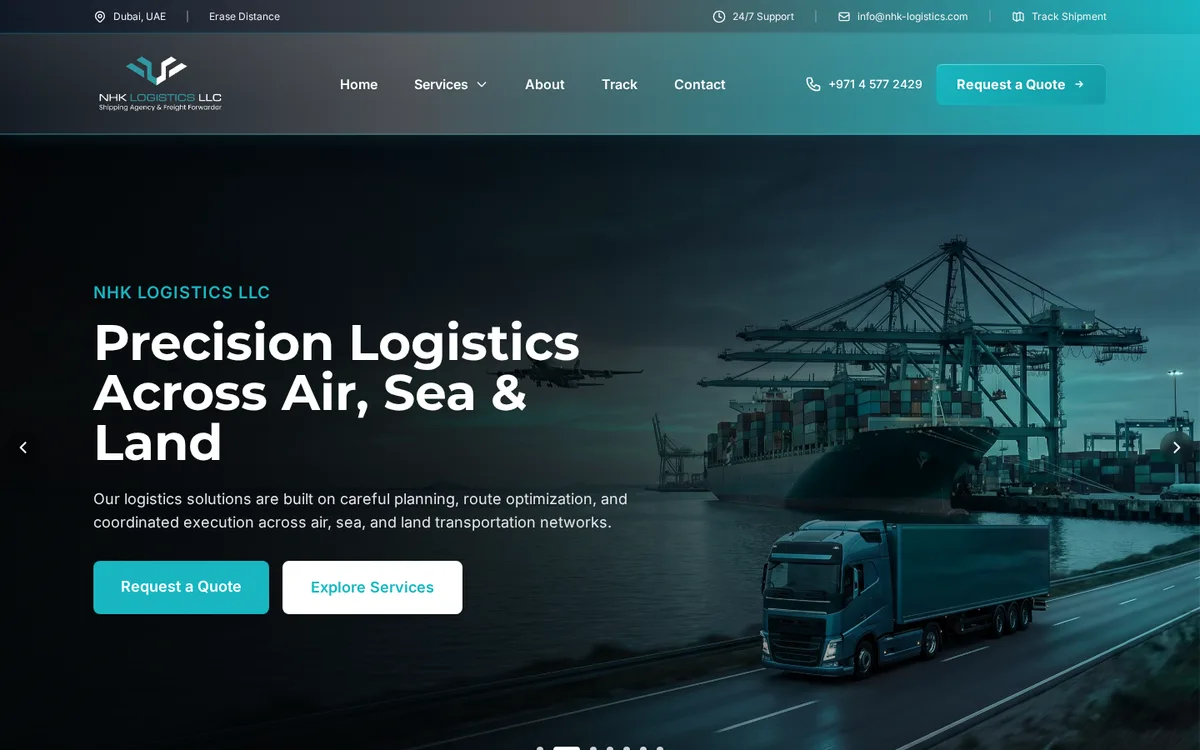
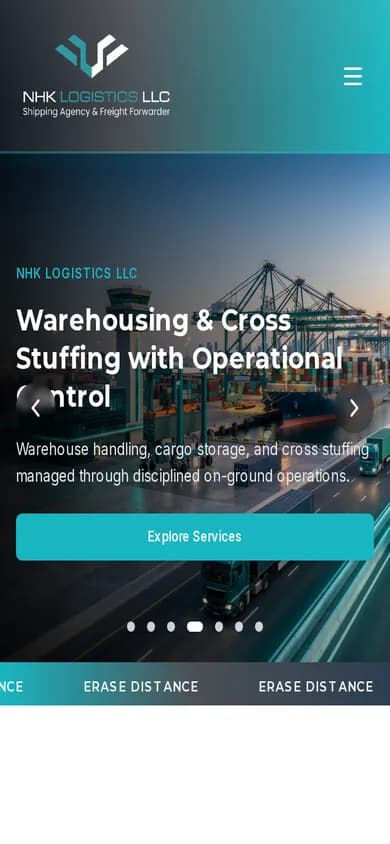
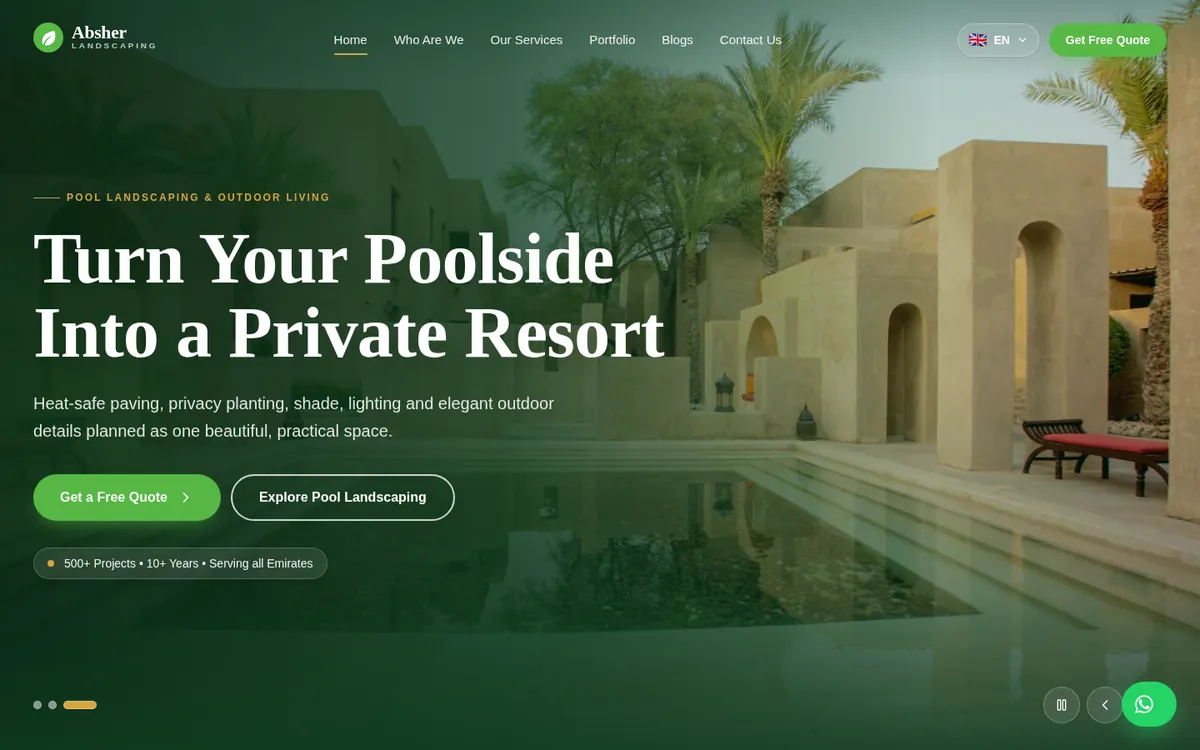
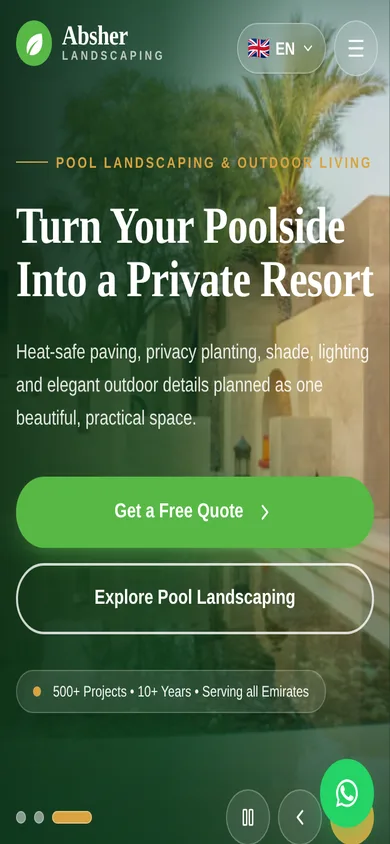
Operix works from Karachi and has no office in the Gulf. We build and optimise sites for companies selling in the UAE and Saudi Arabia online, in English and Arabic: NHK Logistics is a Dubai freight company's site built for search, and Absher Landscaping is a UAE site in English and Arabic. See SEO services for Dubai and the UAE and for Saudi Arabia, or tell us which countries you sell to.
Weighing proposals? SEO in the Middle East: cost, timeline and what to expect explains what moves the budget and what a monthly report should show.
Questions people ask
Arabic or English SEO for the Gulf?
Both, in proportion to how your buyers search. Business buyers and expatriates lean to English; consumers and many Saudi organisations lean to Arabic. Check Search Console and your enquiries per market rather than assuming.
Do we need a .ae or .sa domain?
No. One domain with country and language sections linked by hreflang ranks well. A country domain helps only when a real local company and team stand behind it and the site will be maintained.
Can a company outside the Gulf rank for Gulf searches?
Yes, with honest pages that explain how the service is delivered in each country, local signals where you have a presence, and content in the languages buyers use. Claiming offices you do not have does the opposite.
How long does SEO take in the Middle East?
New sections take months to settle, longer in competitive sectors in Dubai and Riyadh. Real pages and local signals shorten it; thin location pages lengthen it.