
A large company shortlists agencies the same way it buys anything else: several people look, each with their own worry. Marketing checks the work, IT checks security, procurement checks the company behind it. An agency website that only impresses the first of them loses the deal at the second.
Who reads an agency website at a large company?
| Reader | Main worry | What convinces them |
|---|---|---|
| Marketing or product lead | Can they do work like ours? | Named case studies with the problem, the work and the result as the client describes it |
| IT or security | Will they put our data at risk? | Hosting, access, backup and data-handling answers in writing |
| Procurement | Is this a real, stable company? | Legal entity, address, registration and clear contract terms |
| Senior sponsor | Will this go smoothly? | A delivery process and named people who are accountable |
What proof should the website show?
- Named work. Live projects a buyer can open, each with what the agency actually built. Our B2B website guide covers how corporate buyers read these pages.
- Real people. Names and roles of the people who lead projects.
- The company. Legal name, registration and a physical address.
- Process. Discovery, design approval, build in releases, training and support, each explained.
- Security answers. Where client data lives, who can access it and how it is backed up. See securing business software.
What damages credibility fastest?
- Logos of famous brands with no project behind them.
- Round numbers with no source: "500+ happy clients".
- Stock photos of people who do not work there.
- A contact page with only a form, no address or phone.
- Promises nobody can keep, such as first place on Google.
Enterprise buyers check. One logo that turns out to be borrowed undoes every true thing on the site.
How should the site be structured?
One page per service
Each service page says who it is for, what is delivered and how.
Case studies with detail
Problem, what was built, the stack and a link to the live work.
A process page
Stages, what the client approves at each one and how payment follows delivery.
A company page
Legal entity, people, address and how to verify them.
Guides that answer buyer questions
Written plainly, linking to the relevant service and work.
Does design still matter?
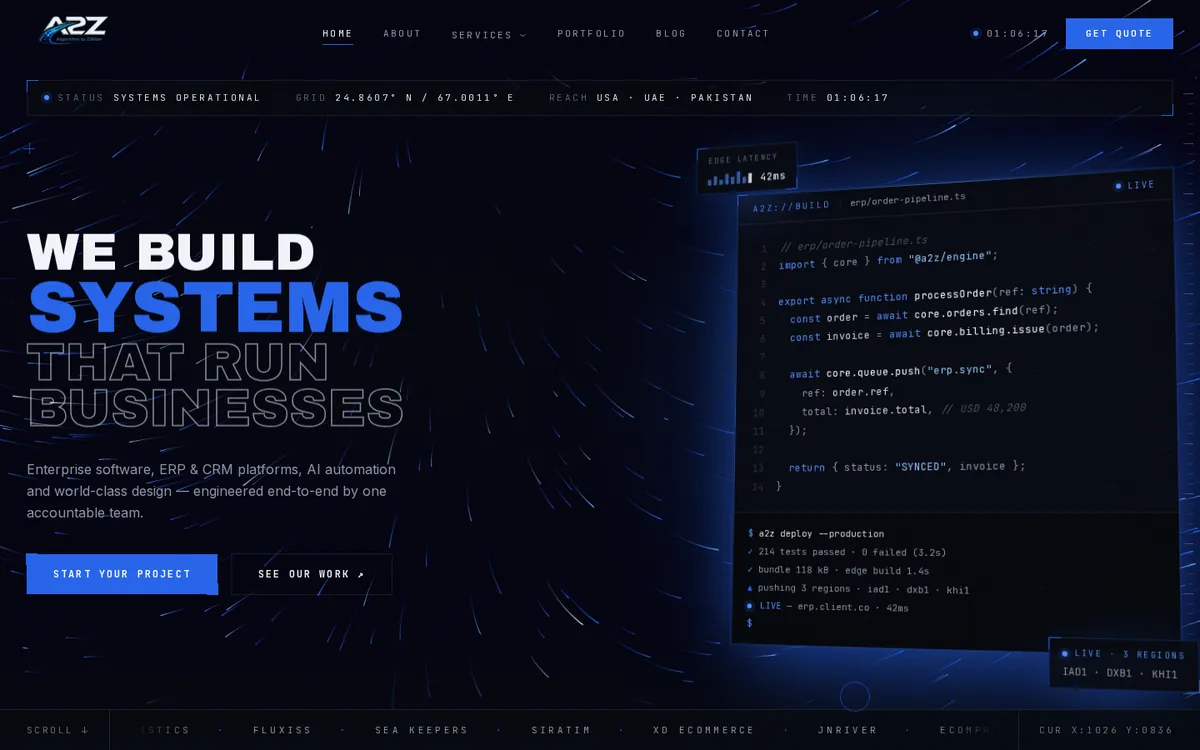
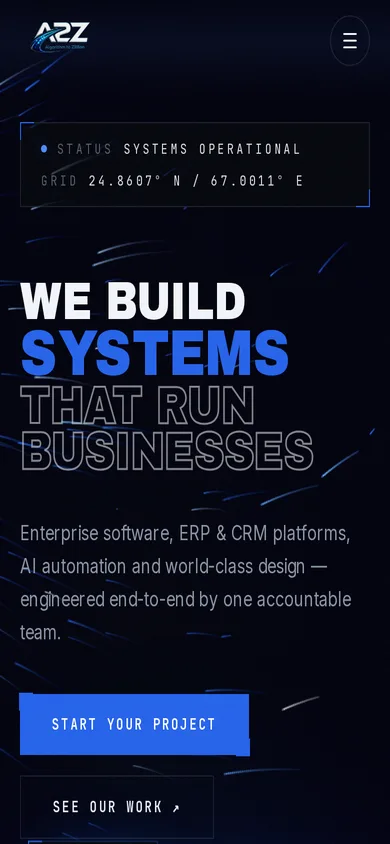
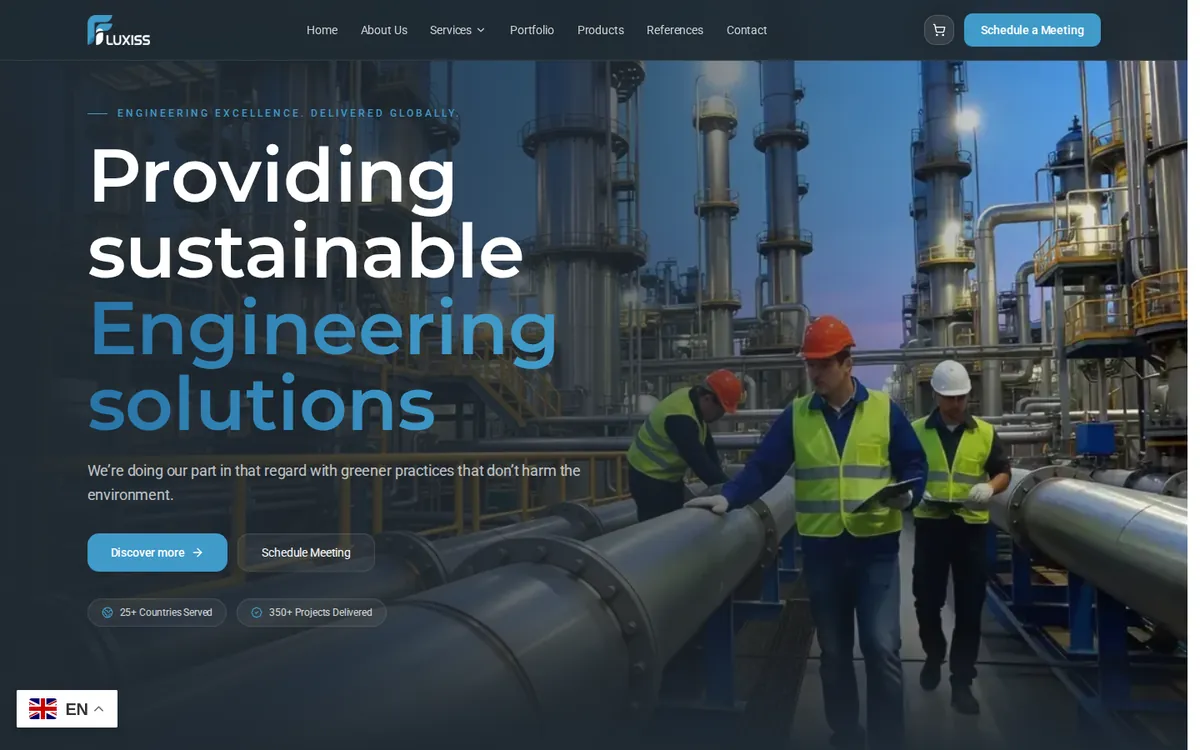
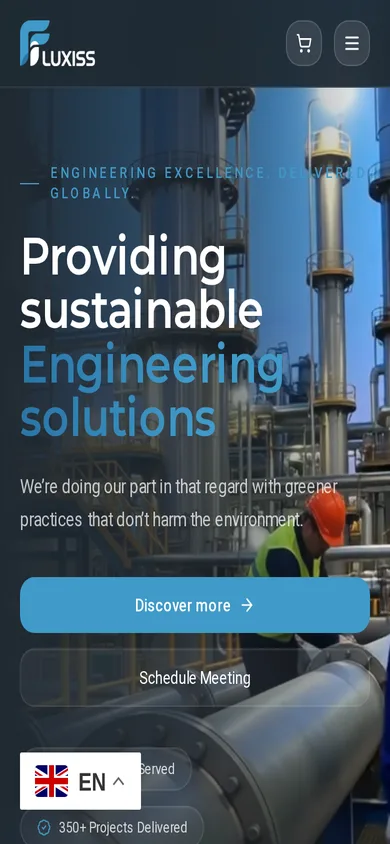
Yes, as a minimum. A slow or broken site tells the buyer how you will treat their project. Our guide on website speed and sales explains why. But past that minimum, evidence wins. The Fluxiss engineering site and the A2Z Pvt Ltd site were both built around technical buyers who read before they call.
Can Operix build or review an agency website?
Yes. Our web development and UI/UX design teams plan the pages around the readers above, and we will tell you which claims to drop. Contact us to start.
Questions people ask
What do enterprise clients check first on an agency website?
Usually the case studies, then the company details. They want named, checkable work and proof that a real, registered company stands behind it.
Should an agency list client logos?
Only for clients it has actually worked for, ideally linked to a case study. Logos without projects behind them are a common reason buyers lose trust.
Do agency websites need a security page?
For enterprise buyers, yes. A short page on hosting, access, backups and data handling answers IT's questions before they become objections.
Is a blog worth it for an agency?
If it answers real buyer questions plainly, yes. It brings search traffic and shows how the agency thinks. Thin posts written only for keywords do the opposite.