
Some companies do not sell their own products online; they run ecommerce for others. They source products, manage Shopify or Amazon stores, handle fulfilment and run support across countries. Their clients are founders and brand managers abroad who will never visit the office. The website has to do the explaining.
Who reads this kind of website?
Brand owners who want to sell in a new country, founders who want to hand off daily store work, and companies looking for a sourcing partner. Each wants to know quickly whether you cover their platform and market, and whether they can trust you with live sales. Our guide to the global ecommerce checklist covers what those stores need; this guide covers the operator's own site.
What must the site explain?
| Question | Where to answer it |
|---|---|
| Which services do you run? | One page each: sourcing, store setup, store management, fulfilment, marketplaces, customer support |
| Where and on which platforms? | A markets page listing countries, platforms and marketplaces you actually use |
| How do we start? | An onboarding page: access needed, first month, handover |
| What will we see? | A reporting section: what is reported, how often, in which tool |
| Who owns what? | A plain statement: store, domain, ad accounts and stock remain the client's |
| Have you done this before? | Named case studies with what you did |
How should onboarding be described?
Discovery call
What the client sells, where and on which platforms.
Access and accounts
Which logins are needed, always added as users, never transferred.
Audit and plan
A written review of the store and a plan for the first month.
Live operations
Daily work begins with an agreed reporting rhythm.
Review
A monthly review against the agreed priorities.
What builds trust with buyers abroad?
- A legal company name, address and time zone, with the hours you answer.
- Named people and the channel they answer on.
- Case studies that say what you did, not results you cannot prove.
- Fast pages in every language you serve. See multilingual SEO for Europe and the UK.
Is there an example?
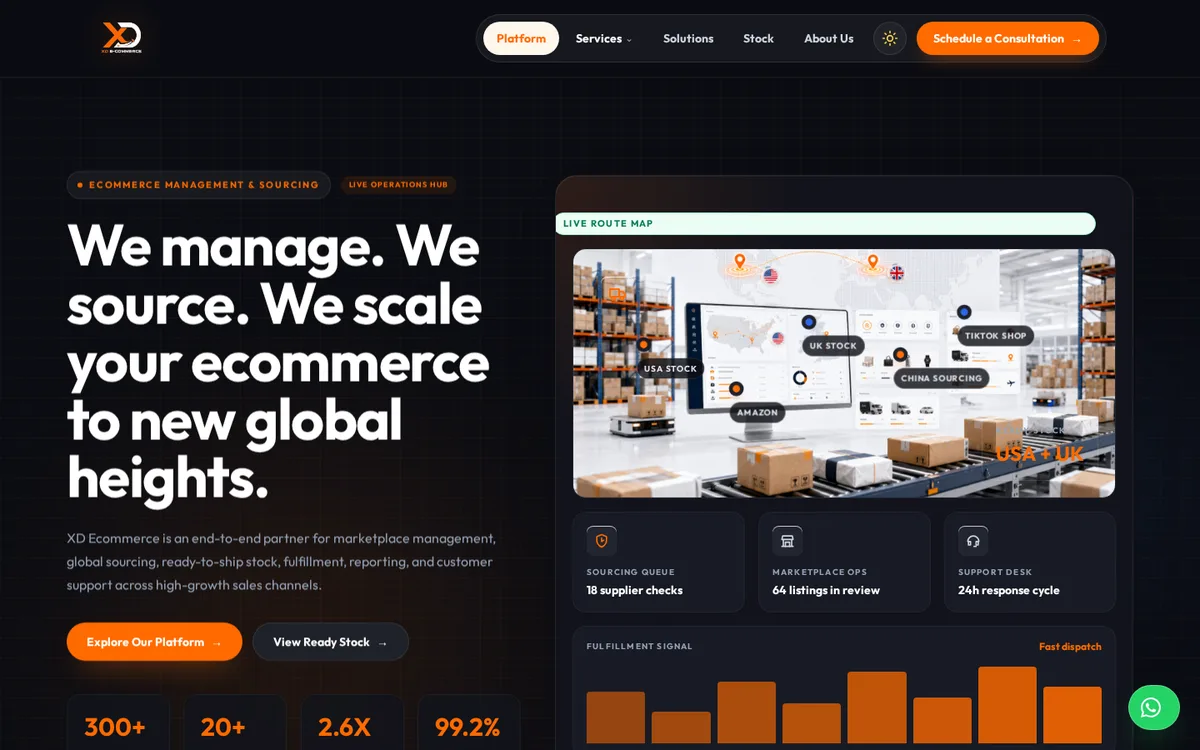
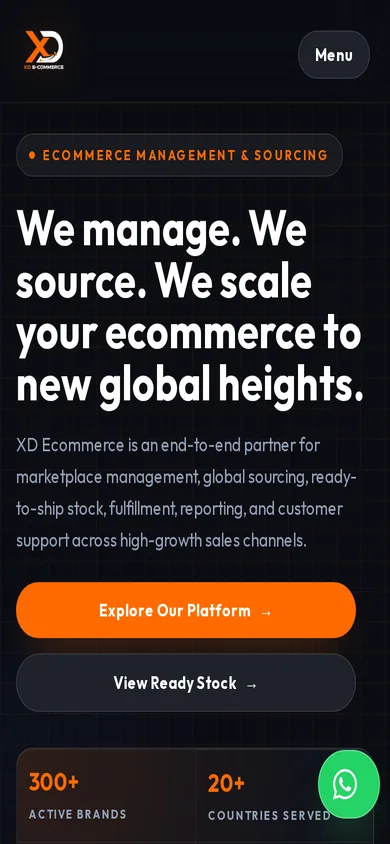
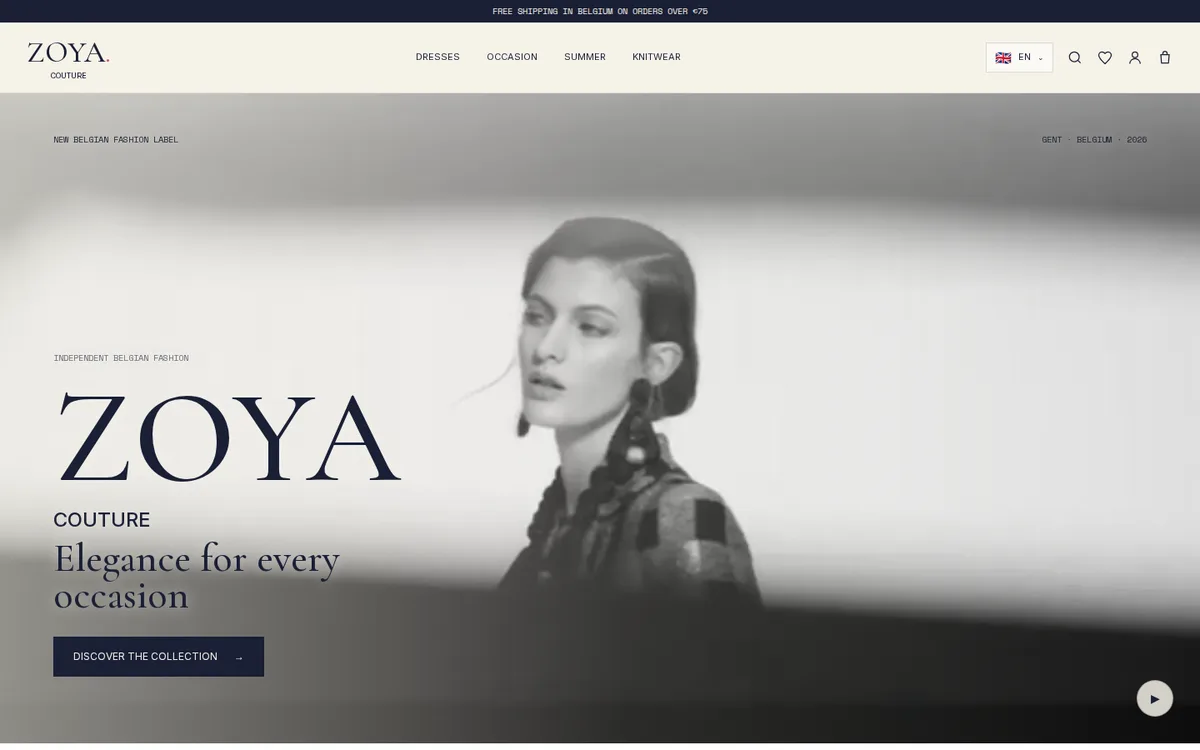
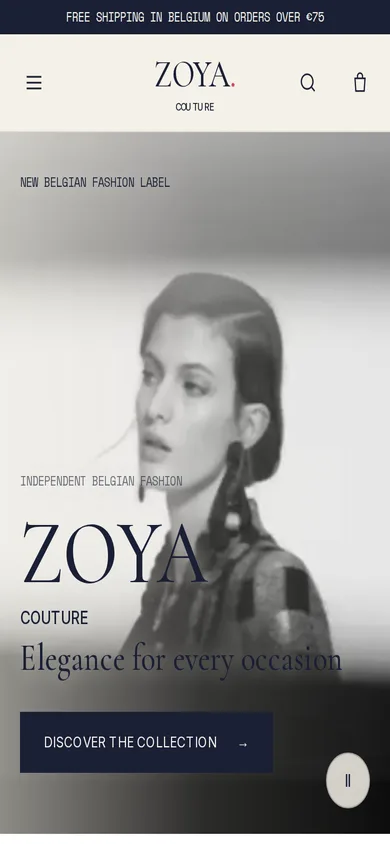
We built the XD Ecommerce website for an ecommerce management and sourcing company, and the Zoya Couture store for a Belgian label in Dutch, French and English. The first is the operator's site; the second is the kind of store such operators run. For running one site across several countries, read global website operations.
Can Operix build this website?
Yes. Our web development team plans the service, market and onboarding pages, and our SEO services team writes them for the searches your buyers make. Book a demo to talk it through.
Questions people ask
What is an ecommerce operations company?
A company that runs ecommerce work for other brands: sourcing, store setup and management, marketplaces, fulfilment and customer support. Its clients usually sell in several countries.
Should each service have its own page?
Yes. Clients often buy one service, such as sourcing or Amazon management, and search for it by name. A page per service matches those searches and answers the buyer directly.
Should the website list countries and platforms?
List only those you actively work in. Buyers check, and a long list you cannot support loses trust when they ask about it.
How do we show trust without inventing results?
Use named case studies that describe the work you did, the legal company details, real people and a clear onboarding and reporting process.